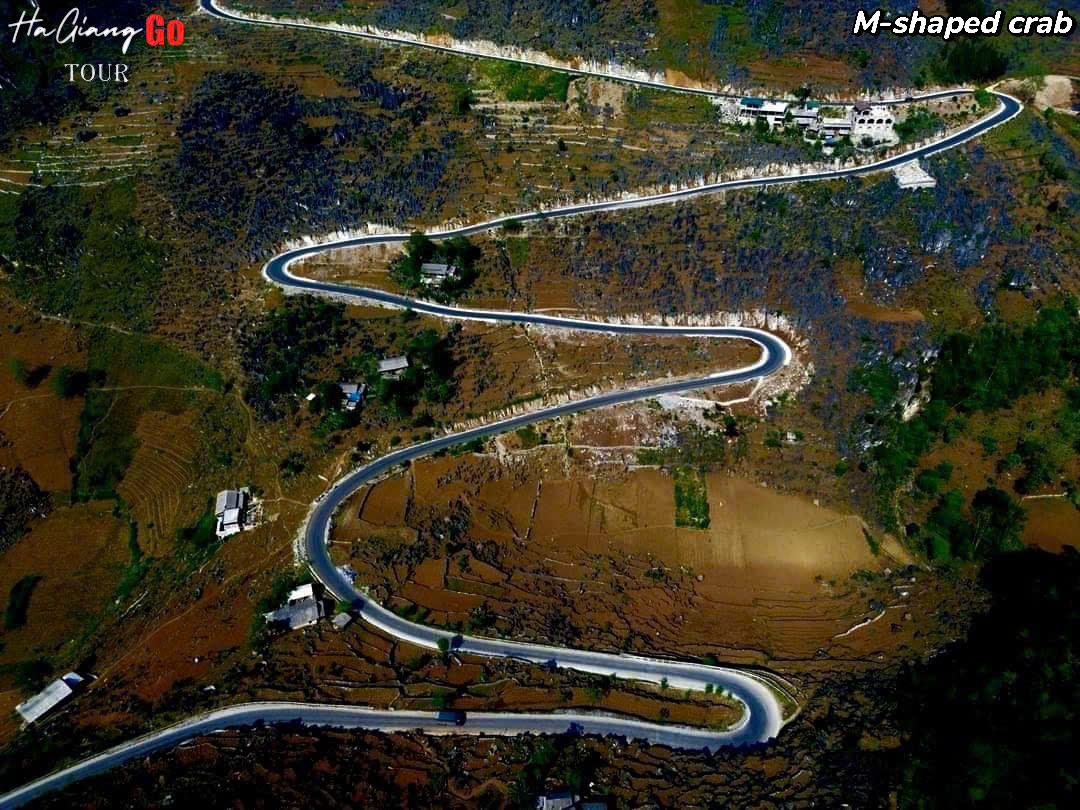

The easiest way to do the Ha Giang Loop from Hanoi is to travel to Ha Giang City by sleeper bus, limousine or private car, then begin the Loop from there. Most travelers spend three or four days on the mountain route and should reserve about five to six calendar days for the complete trip from Hanoi.
A three-day itinerary covers the main highlights but involves longer riding days. Four days is usually more comfortable, especially for first-time visitors who want more time for stops, meals and changing mountain conditions.

Ha Giang Loop from Hanoi at a Glance
- Distance from Hanoi to Ha Giang City: Approximately 300 km (186 miles)
- Travel time: Around five to seven hours by road
- Most common transport: Sleeper bus
- Recommended Loop duration: Four days and three nights
- Total time from Hanoi: Usually five to six days
- Riding options: Self-ride, Easy Rider or private car
- Starting point: Ha Giang City
Ha Giang has no commercial airport, so travelers must complete the final part of the journey by road. Ha Giang City is the usual base for collecting a motorbike, meeting an Easy Rider, storing luggage and beginning the Loop.
How to Get from Hanoi to Ha Giang
For most international travelers, the best options are a sleeper bus, VIP cabin bus, daytime limousine or private transfer.

Hanoi to Ha Giang Transport Comparison
|
Transport |
Typical travel time |
Reference price |
Best for |
|
Standard sleeper bus |
6–7 hours |
250,000–350,000 VND |
Budget travelers |
|
VIP sleeper bus |
6–7 hours |
400,000–550,000 VND |
More privacy overnight |
|
Limousine bus |
5.5–6.5 hours |
300,000–400,000 VND |
Daytime comfort |
|
Private car |
5–6 hours |
From 3,500,000 VND per car |
Families and private groups |
Prices were checked against HaGiangGo’s published transport guide in August 2026 and may change by operator, vehicle, pickup point or holiday period.
Sleeper Bus
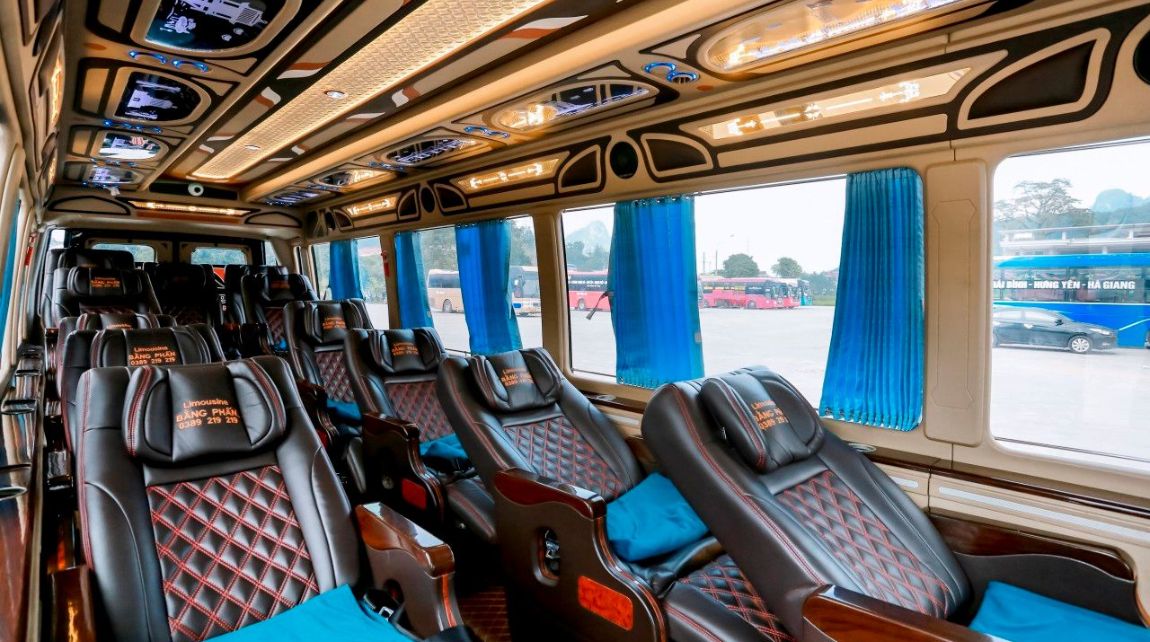
A sleeper bus is the most common choice because it is affordable and allows travelers to move between Hanoi and Ha Giang overnight.
Most buses provide reclining beds, air conditioning, a blanket and scheduled rest stops. Standard buses offer limited personal space, while VIP options normally have wider beds or partially enclosed cabins.
Overnight departures are useful for travelers with limited time, but sleeping quality varies. Anyone who struggles to rest on buses may prefer a daytime service rather than beginning a mountain journey while tired.
Daytime Limousine
A limousine bus is a good option for travelers who prefer an upright seat, fewer passengers and a daytime journey.
Morning services generally reach Ha Giang around midday or early afternoon. This gives travelers time to check in, store luggage, attend a briefing and rest before beginning the Loop the following day.
Private Car
A private car provides the greatest flexibility for departure time, rest stops and luggage.
It is considerably more expensive for one traveler but may be practical for families or groups of three to four people. Before booking, confirm whether tolls, airport pickup, hotel drop-off and waiting time are included.
Should You Take a Night Bus or Day Bus?
A night bus is better for saving time, while a daytime limousine is better for arriving rested.
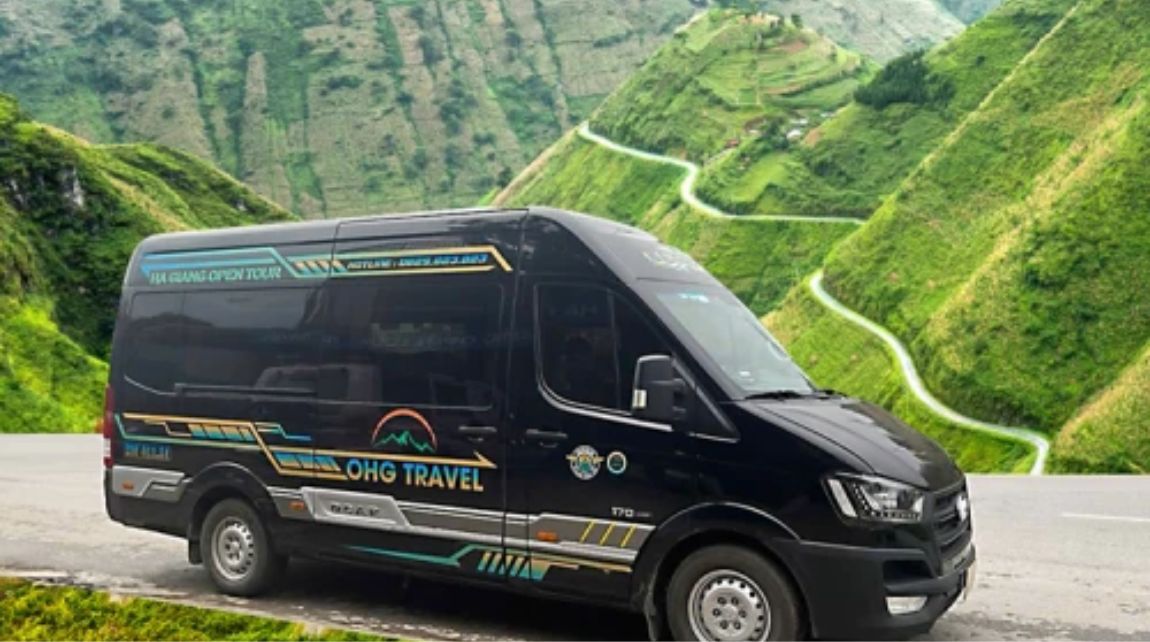
Choose a night bus when:
- You have limited travel time
- You normally sleep well on buses
- You want to save one hotel night
- Your accommodation provides an early-arrival bed
Choose a daytime bus when:
- You are sensitive to motion sickness
- You want to arrive fully rested
- You are traveling with children
- You plan to self-ride
- You prefer not to arrive before sunrise
Do not assume that arriving in Ha Giang at 4:00 or 5:00 AM means you should ride immediately. Eat, rest, attend the route briefing and begin only when you feel alert.
HaGiangGo’s current multi-day tours include a shared dorm stay before departure, while private-room upgrades are listed separately.
How Many Days Do You Need from Hanoi?
Most travelers should reserve at least five days for a three-day Loop or five to six days for a four-day Loop.
Three-Day Loop
A three-day itinerary is suitable for travelers with limited time who still want to cover the main route.
HaGiangGo currently estimates approximately six to seven hours of riding per day for its three-day tour. The route includes major Loop destinations but leaves less time for unplanned stops or delays.
Typical schedule from Hanoi:
- Night 1: Hanoi to Ha Giang
- Days 1–3: Ha Giang Loop
- Night 3: Return bus to Hanoi
- Day 4 or 5: Arrive in Hanoi, depending on departure time
Four-Day Loop
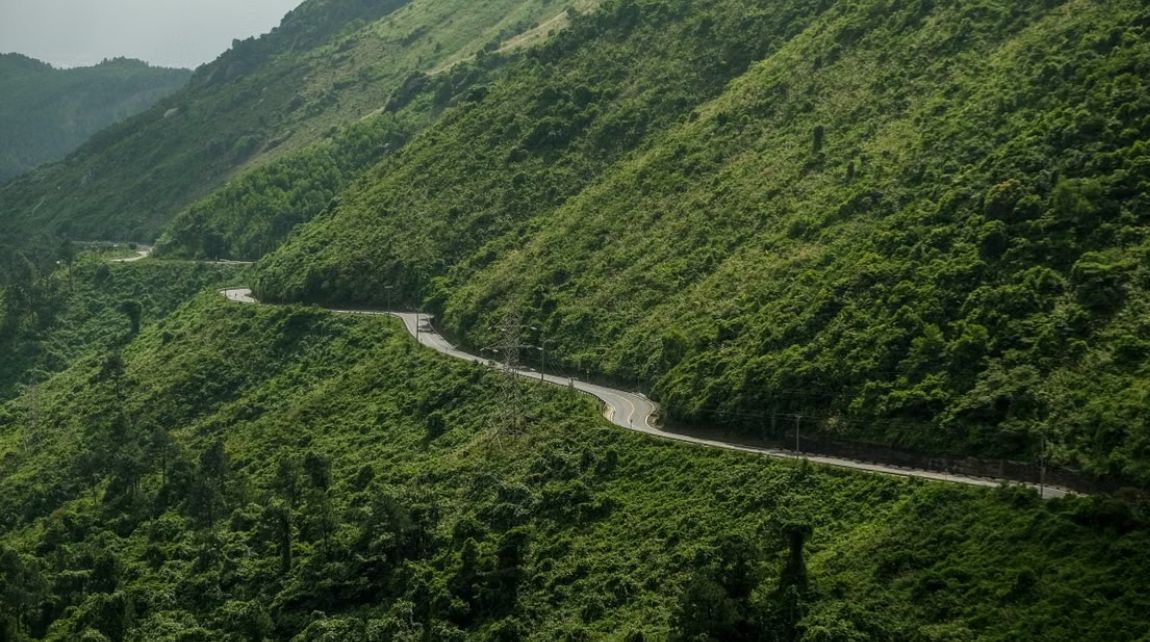
Four days is the better-balanced choice for most first-time visitors.
The current HaGiangGo four-day itinerary involves approximately five to six hours of riding per day and is designed to cover the full Loop with less rushing.
Typical schedule from Hanoi:
- Day or night 0: Travel from Hanoi to Ha Giang
- Days 1–4: Ha Giang Loop
- Night 4 or Day 5: Return to Hanoi
- Optional Day 6: Buffer before a flight or long-distance connection
Avoid scheduling an international flight immediately after your expected bus arrival. Weather, traffic and road conditions can affect the return time.
Self-Ride, Easy Rider or Car Tour?
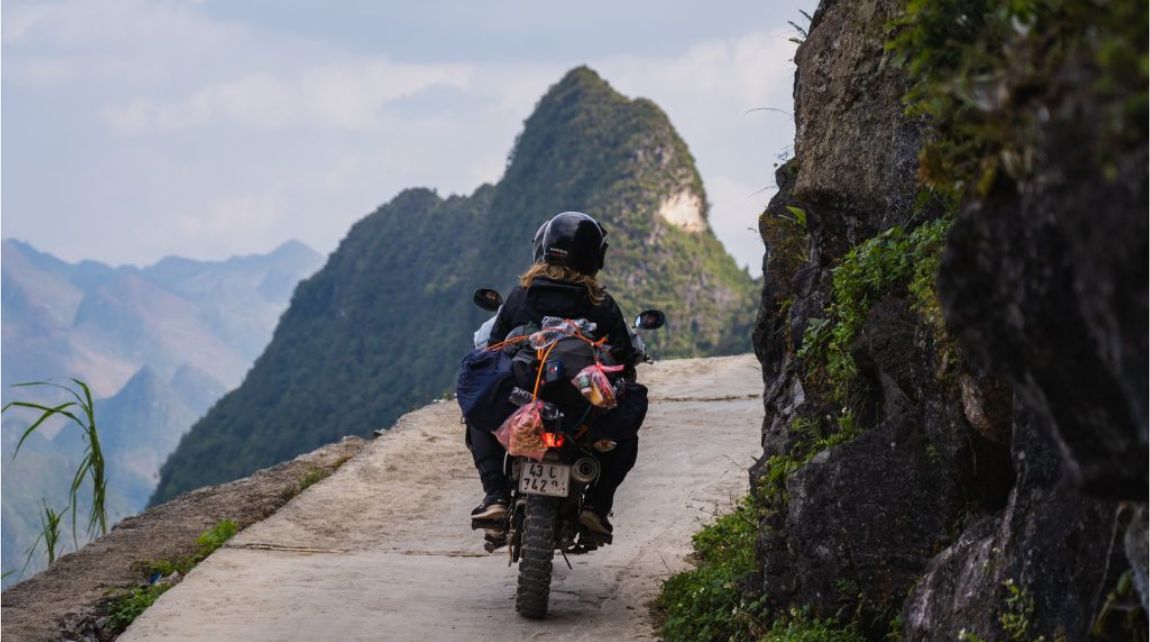
The right option depends on riding experience, legal documents, comfort and budget.
Self-Ride
Self-riding offers freedom, but it is not suitable for someone whose only experience is riding a scooter briefly in a city.
The Loop includes steep gradients, sharp bends, narrow roads and changing surfaces. Self-riders must also confirm that their licence, motorcycle entitlement, International Driving Permit where applicable, and travel insurance are valid for Vietnam and for the motorcycle being used.
Requirements vary by nationality. For example, official UK guidance states that British travelers need their UK licence and a 1968 Convention International Driving Permit when driving a car or motorbike in Vietnam. It also states that third-party insurance is legally required.
Self-Ride best for: Experienced and legally licensed riders
Main consideration: You control the motorbike and take full responsibility for riding, navigation and road safety.
Easy Rider
An Easy Rider is a local driver who operates the motorbike while the traveler sits behind as a passenger.
This option provides the open-air experience without requiring the traveler to manage mountain roads, navigation or the motorcycle itself. It is generally the most suitable option for first-time riders or travelers without valid self-riding documents.
Easy Rider best for: Beginners, non-riders and solo travelers
Main consideration: An experienced local driver operates the motorbike while you travel as a passenger.
Private Car or Jeep
A car or jeep is suitable for travelers who do not want to spend several hours a day on a motorbike.
It provides more protection from rain, wind and cold and may be more comfortable for families or groups. The trade-off is a less open riding experience and fewer opportunities to stop on very narrow sections.
Private Car or Jeep best for: Families, groups and comfort-focused travelers
Main consideration: Offers greater protection from rain, wind and cold, but provides a less immersive experience than traveling by motorbike.
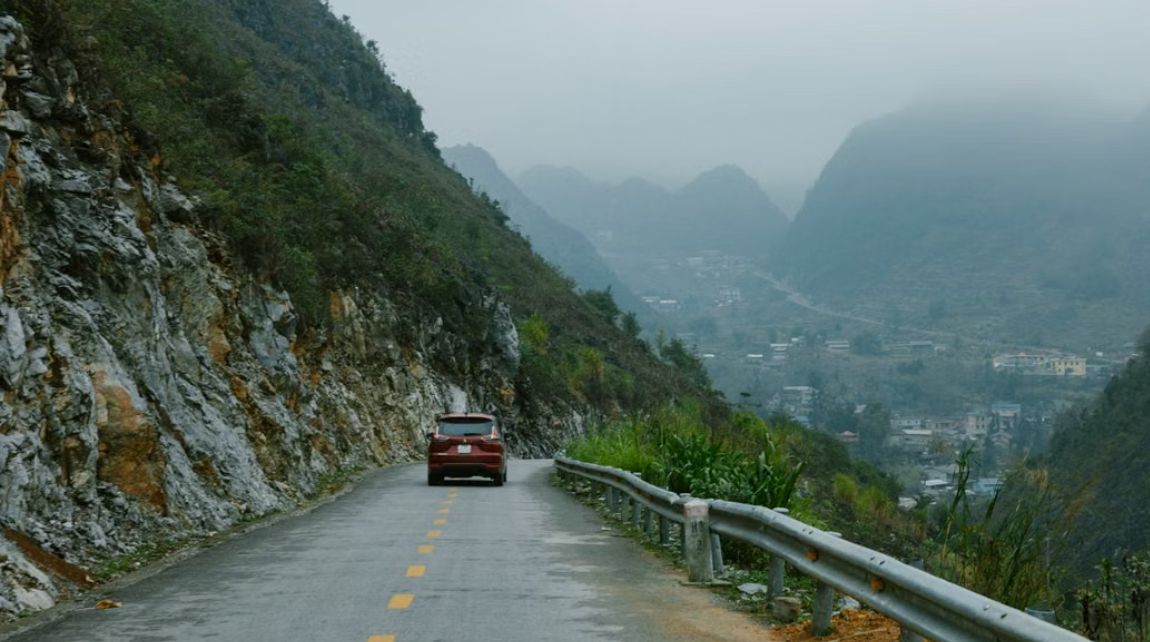
What Should You Book Before Leaving Hanoi?
Arrange the main parts of the trip before traveling north:
- Transport from Hanoi to Ha Giang
- Three- or four-day Loop itinerary
- Self-ride, Easy Rider or car option
- Pre-tour accommodation
- Return bus to Hanoi
- Private-room upgrade, when needed
- Luggage storage
- Suitable travel insurance
Weekend and holiday departures can fill up, so advance booking is especially useful when your dates are fixed.
Not sure whether three or four days fits your schedule? Compare HaGiangGo’s Loop options using your Hanoi arrival time, preferred riding style and accommodation needs.
Common Planning Mistakes
Starting After a Sleepless Bus Journey
The overnight bus saves time only when you can rest. Delay your departure if you arrive exhausted.
Choosing Two Days Without Checking Ride Time
HaGiangGo’s current two-day itinerary involves approximately six to eight hours of riding each day and is described as fast and highlight-focused.
Assuming Bike Rental Means Legal Permission
A rental provider giving you a motorbike does not confirm that your licence or insurance is valid.
Taking Too Much Luggage
Leave your main suitcase in Ha Giang City and carry only a small secured bag. HaGiangGo currently includes storage for excess luggage in its multi-day packages.
Booking a Tight Connection in Hanoi
Leave enough time between your return bus and any flight, train or international departure.

Some FAQs
1. Can you do the Ha Giang Loop directly from Hanoi?
Yes, but most travelers take road transport to Ha Giang City first. Riding the full distance from Hanoi adds approximately 300 km each way before the mountain Loop begins.
2. How long does it take to get from Hanoi to Ha Giang?
The journey normally takes around five to seven hours. Sleeper buses usually take six to seven hours, while limousine buses and private cars may be slightly faster.
3. Is three days enough for the Ha Giang Loop?
Yes. Three days covers the main route, but expect approximately six to seven hours of riding per day. Four days provides a more comfortable pace.
4. Is a night bus or day bus better?
A night bus saves time and accommodation costs. A day bus is better for travelers who need proper sleep before beginning the Loop.
5. Can beginners self-ride?
Beginners should generally choose an Easy Rider rather than learning on mountain roads. Self-riding requires suitable experience, valid documents and insurance.
6. Can I leave my suitcase in Ha Giang?
Yes. HaGiangGo currently includes free storage for excess luggage in its three- and four-day packages.
Final Planning Advice
For most first-time visitors, the simplest plan is:
- Travel from Hanoi to Ha Giang by sleeper bus or daytime limousine
- Choose a four-day Loop for a more balanced pace
- Use an Easy Rider unless you have appropriate documents and strong motorcycle experience
- Store large luggage in Ha Giang City
- Reserve return transport but leave a buffer before your next connection
Share your Hanoi arrival time, travel dates and preferred riding option with HaGiangGo before booking. This helps the local team coordinate transport, accommodation and a Loop itinerary that fits your actual schedule.