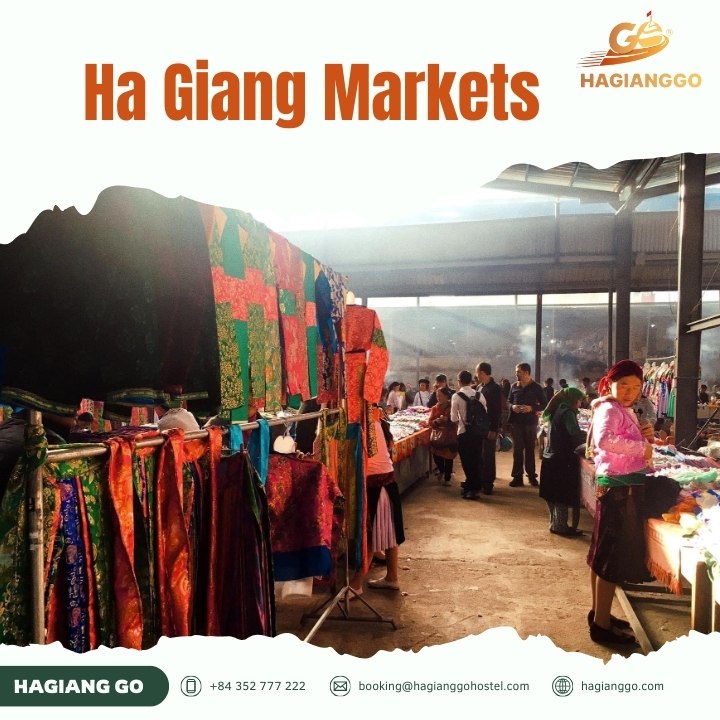

For travelers seeking an authentic glimpse into Vietnam's ethnic heritage, Ha Giang markets offer an unparalleled window into the daily lives, traditions, and craftsmanship of the Hmong, Tay, Dao, Nung, and other minority communities. From the legendary Khau Vai Love Market to the bustling weekly gatherings in remote mountain villages, each market tells a unique story of cultural preservation and community spirit.
Understanding Ha Giang's market culture
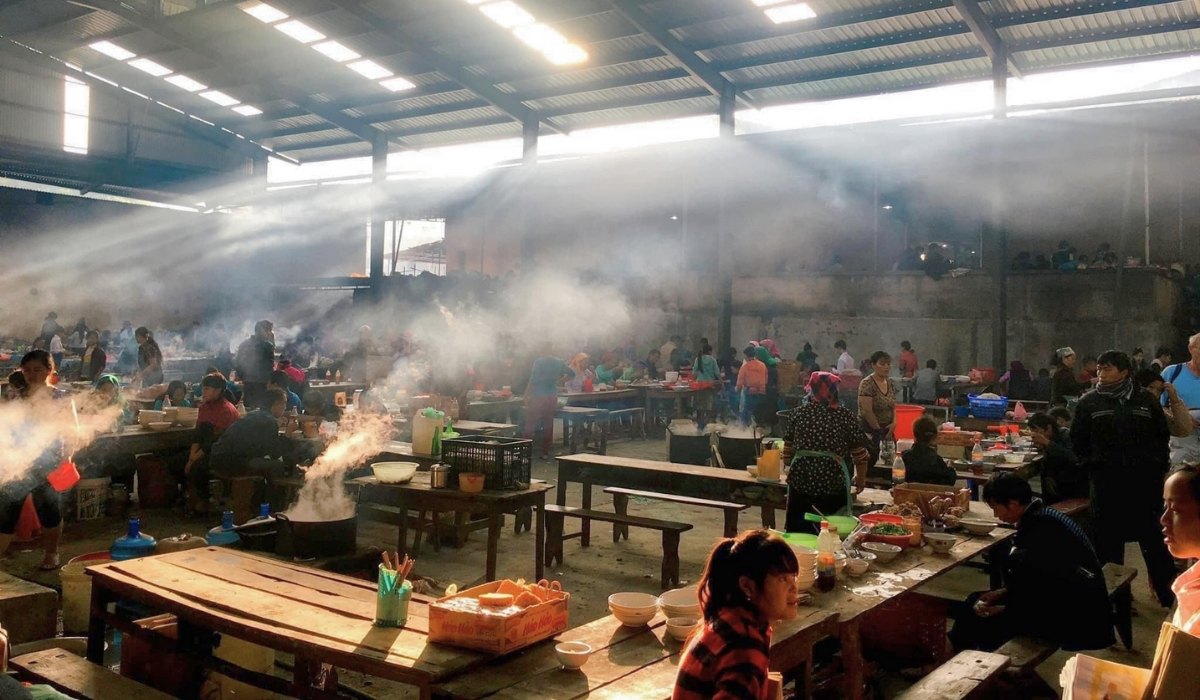
The markets of Ha Giang operate on traditional lunar calendar cycles, with each community following ancestral scheduling that has remained unchanged for generations. These gatherings transcend simple commerce – they are social institutions where marriages are arranged, disputes are resolved, news is shared, and cultural identity is reinforced through traditional dress, language, and customs.
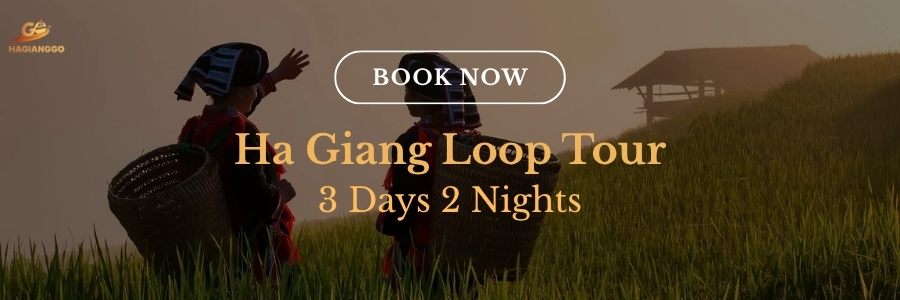
Most markets begin before dawn, with ethnic families traveling from remote villages, often walking for hours through mountain paths while carrying their wares in traditional wicker baskets. The atmosphere is electric with the sounds of bargaining in various ethnic languages, the vibrant colors of traditional costumes, and the aromatic blend of local foods and highland produce.
The economic significance of these markets cannot be overstated. They serve as the primary distribution channels for locally grown produce, handcrafted textiles, traditional medicines, and livestock. For many ethnic families, these weekly gatherings represent their main source of income and their primary connection to the broader regional economy.
Top 10 Ha Giang Markets for cultural exploration
1. Meo Vac Market - The crown Jewel of Ha Giang markets
Located in the heart of the Dong Van Karst Plateau Global Geopark, Meo Vac market is the biggest minority market in Ha Giang and held every Sunday. This sprawling marketplace attracts thousands of visitors from Hmong, Tay, and Dao communities across the region, making it the most significant cultural gathering in the province.
.jpg)
The market begins its transformation on Saturday evening, as vendors arrive from distant villages to secure prime selling spots. By Sunday morning, the town center becomes a kaleidoscope of traditional costumes, with Hmong women in their distinctive indigo-dyed clothes adorned with silver jewelry, and Dao women wearing elaborate headdresses that reflect their social status.
What sets Meo Vac apart is its incredible diversity of goods. Visitors can witness the sale of everything from highland vegetables and corn wine to handwoven textiles and traditional silver ornaments. The livestock section is particularly fascinating, where water buffalo, pigs, and chickens are traded using traditional bartering methods that have remained unchanged for centuries.
The cultural significance extends beyond commerce, as the market serves as a matrimonial meeting ground where young people from different villages can meet potential partners under the watchful eyes of their families. This ancient tradition continues to play a vital role in maintaining ethnic community bonds across vast geographical distances.
Meo Vac market quick information:
- Meeting Time: Every Sunday morning
- Location: Right in the center of Meo Vac town
- Highlights: The largest market in Ha Giang Province, serving as a hub for trade and cultural exchange
- Other Events: The Meo Vac Night Market takes place every Saturday evening, featuring local cuisine and cultural performances
Read more: Top 12 Beautiful Villages in Ha Giang You Must Visit in 2026
2. Khau Vai Love Market - Where romance meets tradition
Perhaps the most unique and romantically charged market in all of Vietnam, the Khau Vai Love Market is held annually from the late evening of the 26th day of the third Lunar month and lasts until the end of the following day. Unlike conventional markets focused on trade, this gathering centers entirely around matters of the heart.
The market's origins are steeped in legend, telling of star-crossed lovers from different ethnic groups who were forbidden to marry due to family conflicts. According to local folklore, they agreed to meet once a year at this location, and their story became the foundation for an annual gathering where people could reconnect with past loves or find new romantic partners.
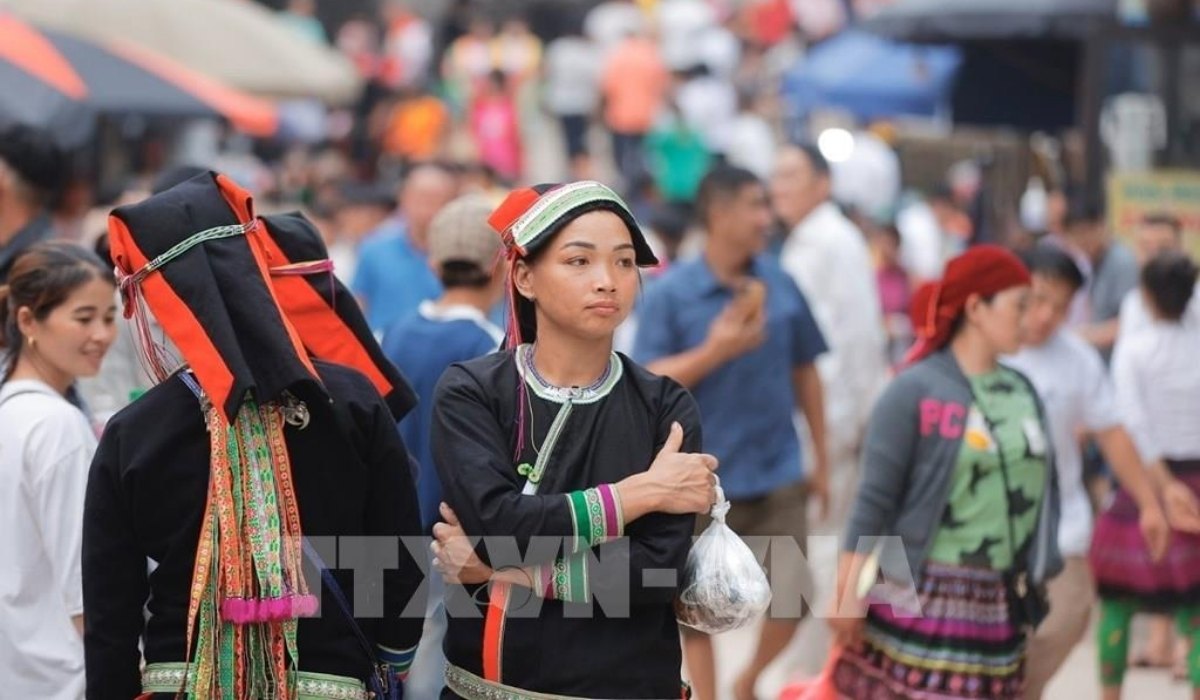
People from the ethnic minority Hmong, Tay and Lo Lo come here seeking a life partner or a change in partner. The atmosphere is charged with anticipation as participants, dressed in their finest traditional attire, engage in subtle courtship rituals that have been refined over generations.
Modern visitors to the Love Market witness a fascinating blend of ancient tradition and contemporary romance, where smartphone numbers are exchanged alongside traditional gifts, and where centuries-old courting songs are performed against a backdrop of modern transportation bringing participants from across northern Vietnam.
Khau Vai love market festival:
- Main Date: Held annually on the 27th day of the 3rd lunar month
- Location: Khau Vai Commune, Meo Vac District, Ha Giang Province
The Khau Vai Love Market is not only a place for trading goods but also a unique cultural event where couples, once in love but unable to be together, reunite once a year. They come here to share stories, reconnect, and reminisce about their past feelings.
Cultural Values:
- The festival has existed for over 100 years and is recognized as a National Intangible Cultural Heritage.
- Beyond the Love Market, visitors can enjoy a variety of traditional cultural activities during the festival.
Read more: Ha Giang Travel Guide: Vietnam's Northern Frontier Adventure
3. Dong Van Market - Gateway to the karst Plateau
Located in Dong Van district, near the border between Vietnam and China, some 120 kilometres from Ha Giang city, this Sunday market serves as the commercial heart of the UNESCO-recognized Dong Van Karst Plateau. The market's strategic location near the Chinese border creates a unique international flavor, with goods and influences flowing across cultural boundaries.
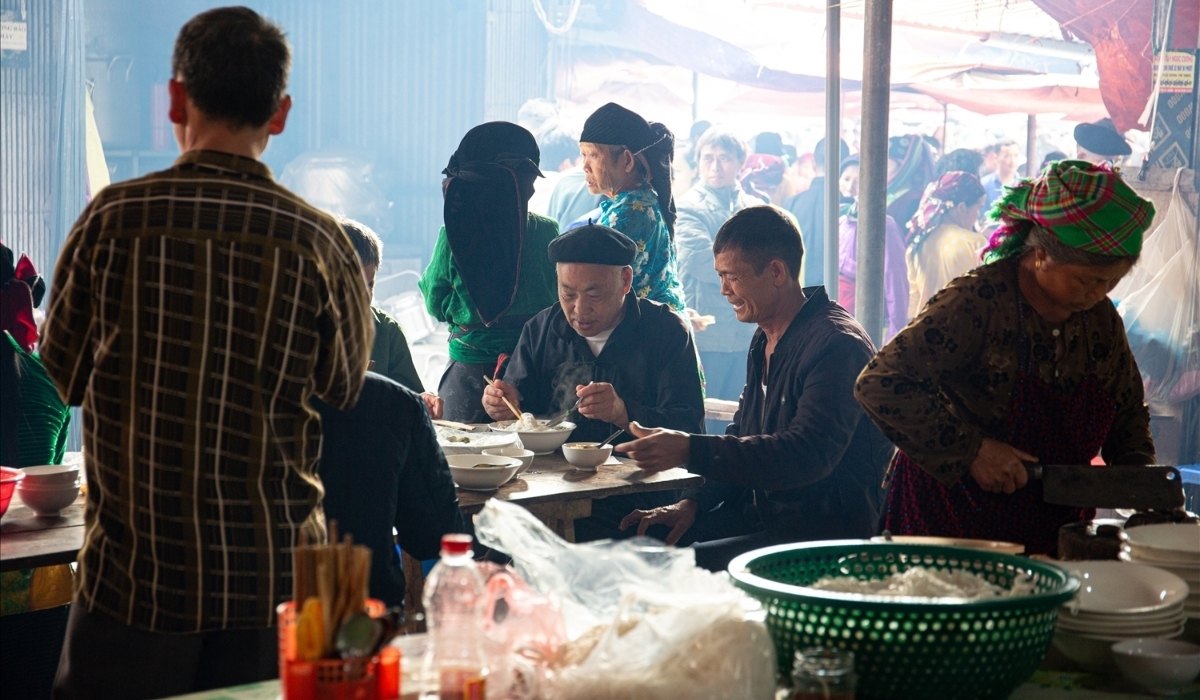
The architectural setting of Dong Van Market is remarkable, surrounded by towering limestone karst formations that create a dramatic backdrop for the colorful ethnic gathering. The market square, paved with local stone, becomes a living museum where traditional architecture meets vibrant ethnic culture.
Chinese Hmong and Vietnamese ethnic groups intermingle freely here, creating a fascinating cultural exchange that reflects the complex history of this border region. Visitors can observe subtle differences in traditional clothing styles, languages, and trading practices that have evolved on different sides of the international boundary.
The market is particularly renowned for its traditional handicrafts, including intricate silver jewelry made by Hmong artisans, hand-embroidered textiles that require months to complete, and traditional musical instruments carved from local hardwoods. These items represent not just commercial goods but cultural artifacts that carry deep spiritual and historical significance.
Read more: Dong Van Old Town in Ha Giang: A timeless gem in Northern Vietnam
Dong Van Sunday market:
- Time: Held every Sunday
- Location: At the foot of Don Cao Mountain, in Dong Van town
- Significance: More than just a trading hub, it is a vibrant cultural gathering of ethnic minority groups such as the H’Mong, Lo Lo, Tay, Nung, Giay, Hoa, Dao, and Han. People come not only to buy and sell goods but also to meet, socialize, and showcase their traditional costumes.
4. Lung Phin Market - The remote mountain gathering
Situated in one of Ha Giang's most remote valleys, Lung Phin Market operates on the lunar calendar cycle, opening every "tiger" and "monkey" day. This smaller, more intimate market offers perhaps the most authentic ethnic market experience in the region, largely untouched by tourism development.
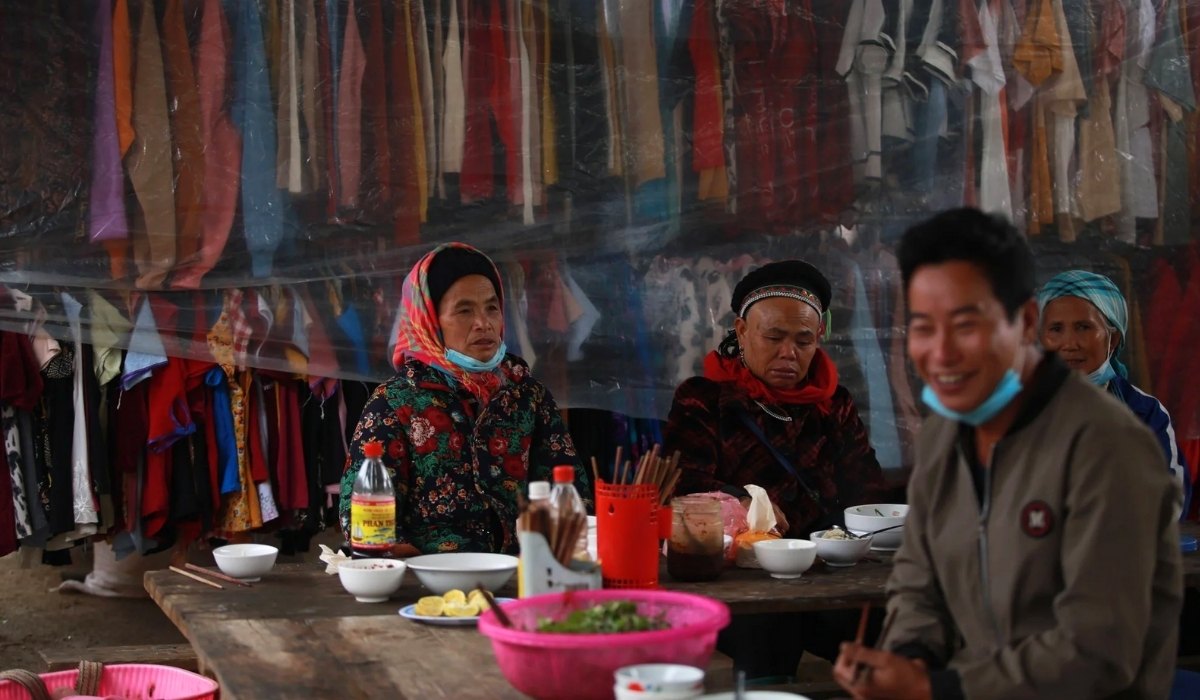
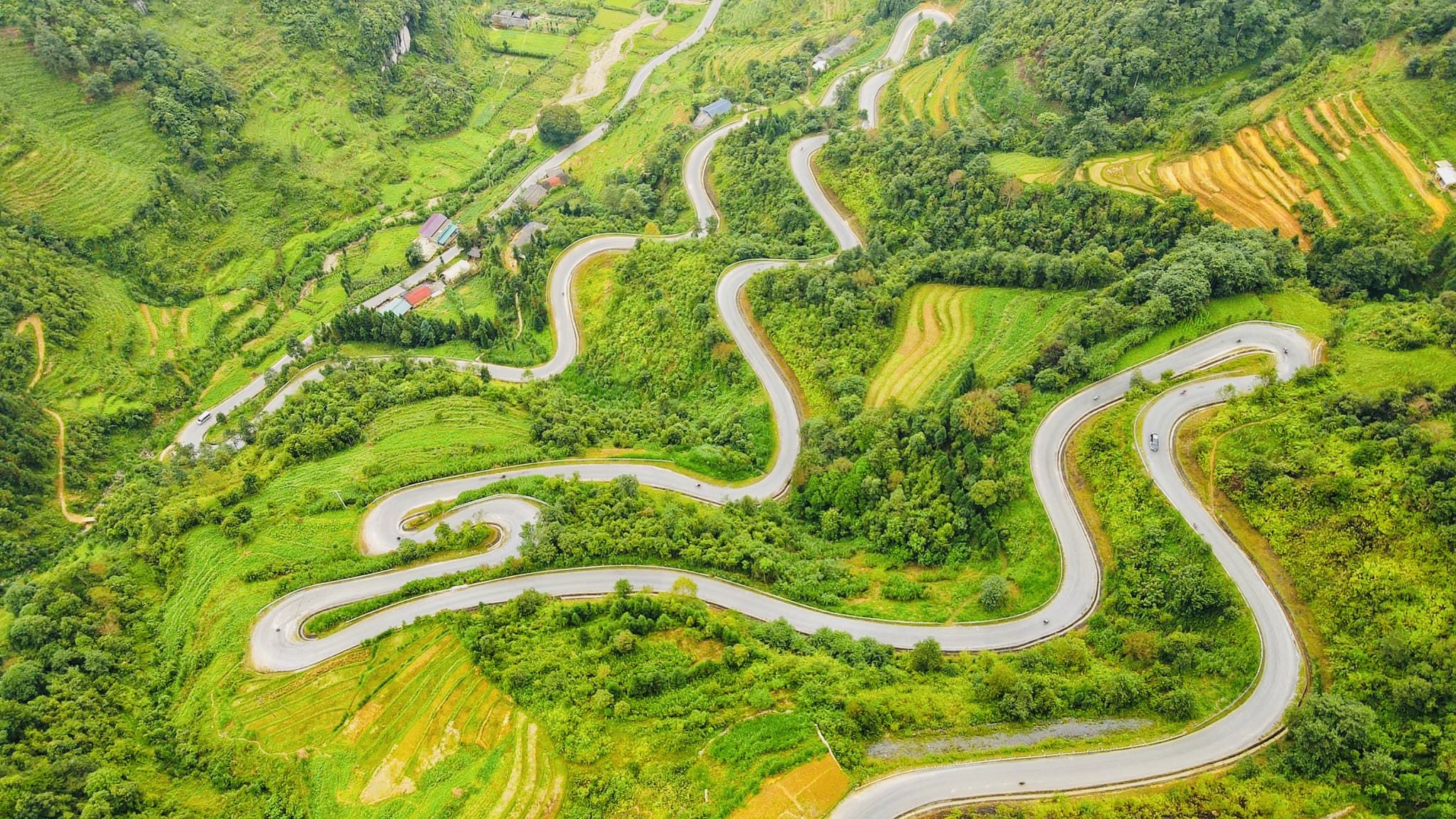
The journey to Lung Phin Market is an adventure in itself, requiring travel through winding mountain roads that offer spectacular views of terraced rice fields and traditional stilt houses. The remoteness has preserved the market's authentic character, where traditional bartering still predominates over cash transactions.
Lung Phin is particularly famous for its traditional medicine section, where elderly Hmong and Dao healers sell herbs, roots, and natural remedies that have been used for centuries to treat everything from common ailments to complex spiritual imbalances. Many of these medicinal plants are found only in the high-altitude environment of Ha Giang's mountains.
The social dynamics of Lung Phin Market are fascinating to observe, as extended families reunite weekly to share news, arrange marriages, and settle disputes through traditional community consultation processes. Visitors often witness impromptu cultural performances, as young people demonstrate traditional dances or elderly community members share folk stories.
Lung Phin market’s information:
- Schedule: Held once a week according to the lunar calendar, specifically on the 2nd, 8th, 14th, 20th, and 26th lunar days.
- Location: Located in Meo Vac District, Ha Giang Province.
- How to Get There: Accessible via National Road 4C, on the route connecting Dong Van – Meo Vac – Yen Minh.
- Note: Since the market follows the lunar calendar, visitors should check the lunar dates carefully when planning their trip.
5. Sa Phin Market - The highland trade hub
Operating every "snake" and "pig" days according to the lunar calendar, Sa Phin Market serves as a crucial trading post for ethnic communities living in the high plateaus surrounding the town. The market's elevation of nearly 1,500 meters above sea level creates a unique highland atmosphere where morning mists often shroud the early trading activities.
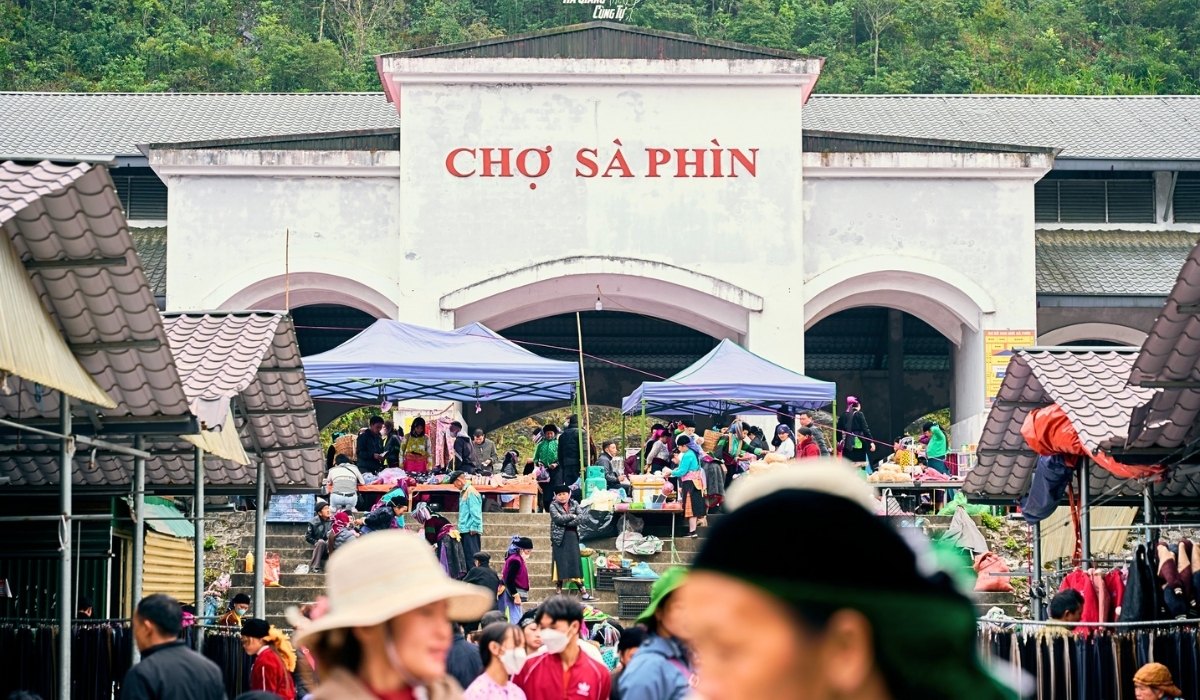
The climate at this altitude produces distinctive highland crops that are highly prized throughout northern Vietnam. Visitors can sample unique varieties of corn, buckwheat, and highland vegetables that cannot be grown in lower elevations. The quality and flavor of these highland products command premium prices in urban markets.
Sa Phin Market is renowned for its traditional textile section, where Hmong and Dao women display incredible handwoven fabrics featuring intricate geometric patterns that tell stories of their ethnic heritage. Each pattern carries specific cultural meaning, often relating to family lineage, spiritual beliefs, or significant historical events.
The livestock trading at Sa Phin focuses particularly on hardy mountain breeds adapted to the harsh highland environment. Highland ponies, yaks, and specialized chicken breeds that thrive in cold mountain conditions are regularly traded here, representing genetic resources that have been carefully maintained by ethnic communities for generations.
More information:
- Location: Sa Phin Commune, Dong Van District, Ha Giang Province
- Market Schedule: Held only once a month, on the lunar calendar days of Ty (Snake) and Hoi (Pig) - corresponding to the 4th, 9th, 14th, 19th, 24th, 29th, and the 5th, 10th, 15th, 20th, 25th, 30th days of the lunar month.
6. Pho Bang Market - Ha Giang's "backward market"
Pho Bang Market stands as one of Ha Giang's most unique and culturally significant ethnic markets, renowned for its extraordinary "backward" or "lui" scheduling system that has been preserved for centuries. Located in the remote mountains of Ha Giang province, this market serves as a vital trading hub for Hmong, Tay, and Dao ethnic communities while maintaining ancient traditions that have largely disappeared elsewhere in Vietnam.
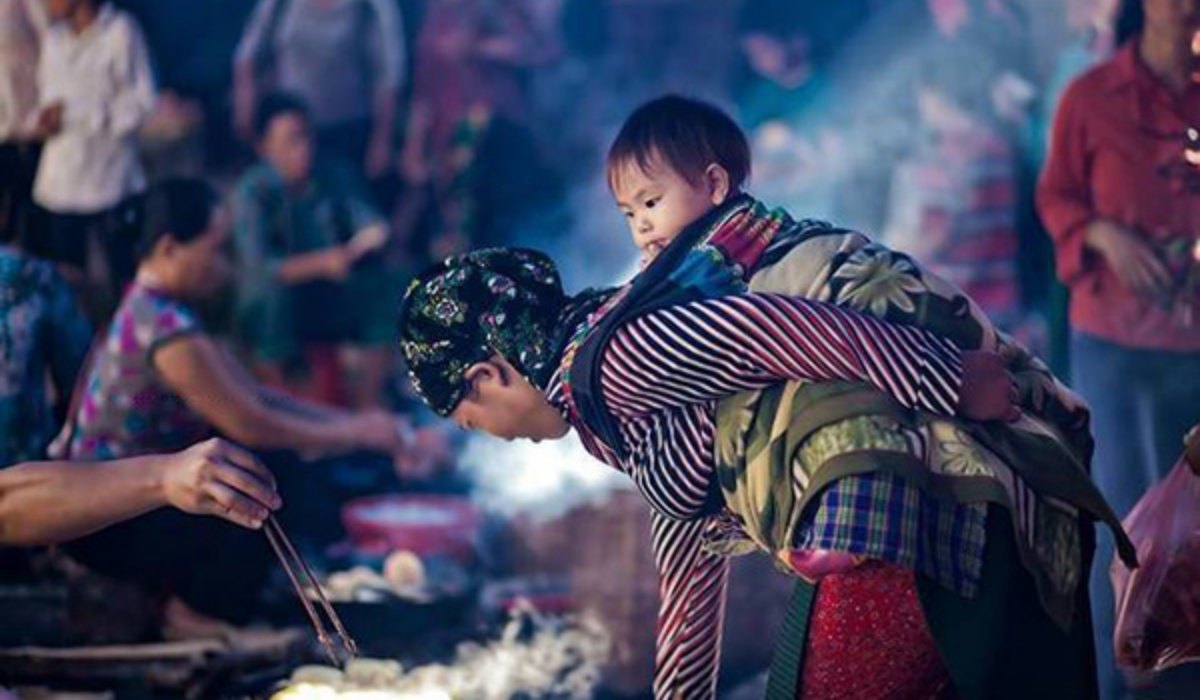
The market's name "Pho Bang" translates to "Royal Village," reflecting its historical importance as a center of trade and governance in the pre-colonial period. What sets Pho Bang apart from other ethnic markets is its rare "lui" scheduling system - a complex rotating calendar that creates one of the most authentic and challenging market experiences in northern Vietnam.
Unique scheduling system:
The market is known as "Lùi market" or "Backward Market" - it means the market is held every 6 days, with next week's market day delayed one day compared to the previous week.
- Animal zodiac cycle - Markets follow 12 animal designations: Rat, Ox, Tiger, Cat/Rabbit, Dragon, Snake, Horse, Goat, Monkey, Rooster, Dog, and Pig.
- Rotating schedule example:
- Week 1: Tuesday (Tiger day)
- Week 2: Wednesday (Tiger day - delayed by 1 day)
- Week 3: Thursday (Tiger day - delayed by 1 day)
- Pattern continues throughout the year
This ancient scheduling system, used by only four markets in Ha Giang's Karst Plateau, ensures that ethnic communities from different valleys can participate in multiple markets while maintaining their agricultural and cultural obligations.
Significances of Pho Bang market:
The geographical setting of Pho Bang Market is spectacular, nestled in a valley surrounded by dramatic limestone peaks that create natural amphitheater acoustics. This unique setting means that the sounds of market activity – bargaining voices, livestock calls, and traditional music – carry throughout the valley, creating an audio landscape that announces market days from kilometers away.
Pho Bang specializes in traditional crafts and tools that support the subsistence lifestyle of mountain ethnic communities. Hand-forged farming implements, traditional looms for textile production, and specialized tools for processing highland crops are regularly traded here. These items represent generations of accumulated knowledge about mountain agriculture and craftsmanship.
The market also serves as an informal educational center where traditional knowledge is passed between generations. Elder craftsmen often provide impromptu demonstrations of traditional techniques, while young people learn through observation and hands-on participation in family trading activities.
Pho Bang Market quick guide:
- Type: Rotating market (“Chợ lùi”).
- Frequency: Once a week.
- Time: Only in the morning from 5am to 10am
- Schedule: The market shifts one day earlier each week. For example, if it meets on Saturday this week, it will meet on Friday next week, and Thursday the following week.
- Note: Because of its shifting schedule, visiting on the correct market day is considered quite lucky.
Although small in size, Pho Bang Market remains lively and is a unique cultural highlight of Pho Bang town in Ha Giang.
7. Hoang Su Phi Market - Terraced rice culture spot
Nestled in Vinh Quang town, Hoang Su Phi Market is a remote yet captivating Ha Giang ethnic market. Held every Sunday, it serves as a vital trading hub for the Dao, Tay, and Mong communities. Surrounded by stunning terraced rice fields, this market offers a peaceful and authentic experience.
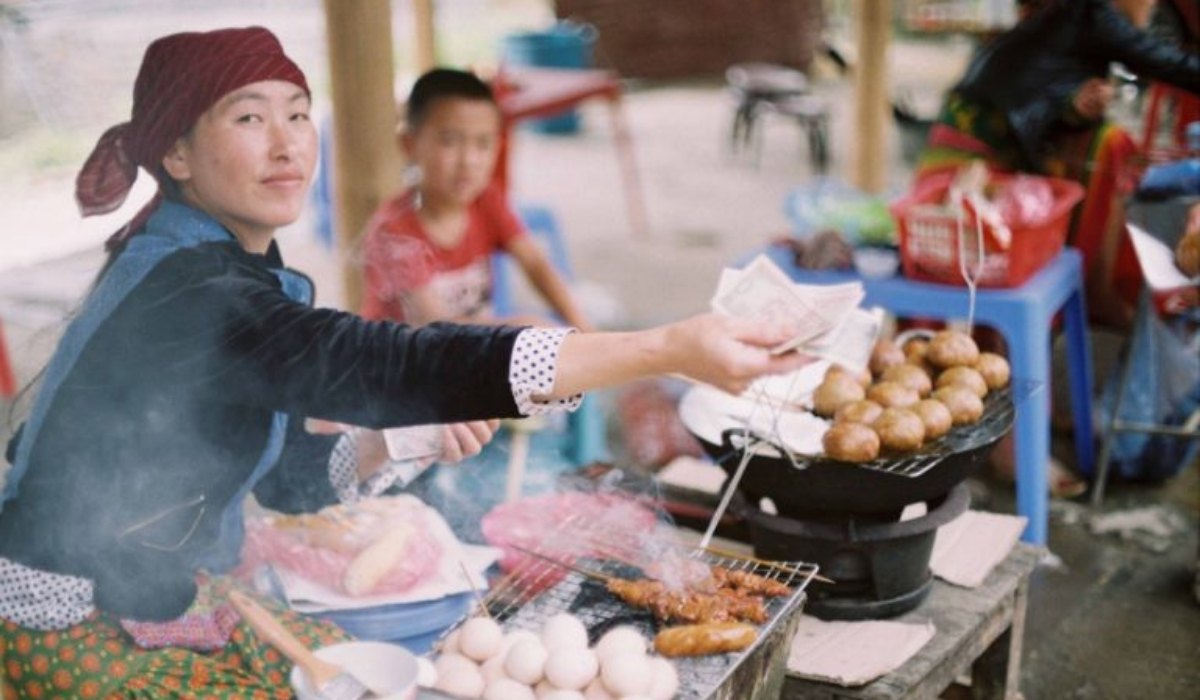
The market's location in the heart of Vietnam's most spectacular terraced rice landscape creates an unparalleled scenic backdrop. During rice growing seasons, vendors literally conduct business surrounded by thousands of water-filled terraces that reflect the sky and create an almost surreal atmosphere.
Hoang Su Phi Market is the epicenter of terraced rice culture, where specialized tools, techniques, and seed varieties specifically adapted to terrace agriculture are traded. Ancient rice varieties that have been cultivated in these mountains for over a millennium continue to be preserved and exchanged through traditional seed-sharing networks that operate through the market.
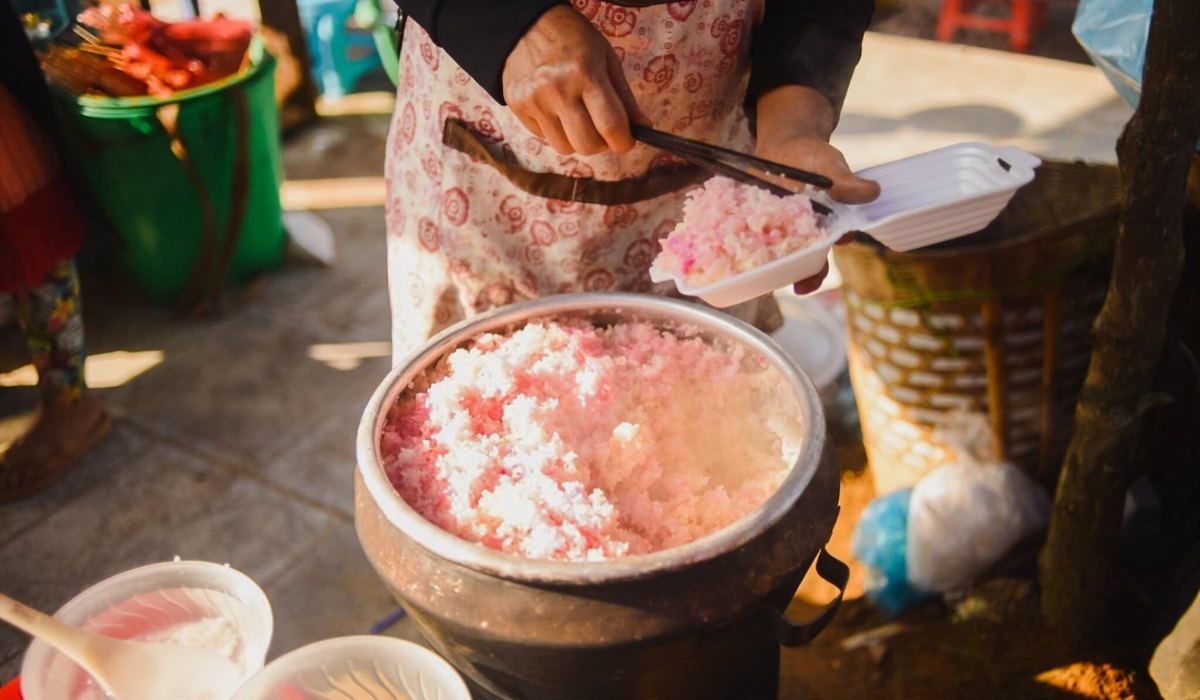
The culinary traditions associated with terraced rice culture are prominently displayed here, with vendors offering traditional rice wines, specialized rice cakes, and fermented rice products that require specific high-altitude conditions and traditional processing methods. These foods represent not just sustenance but cultural identity for the ethnic communities involved in terrace agriculture.
Read more: Hoang Su Phi Discovery: The Ultimate Travel Guide to Ha Giang's Hidden Paradise
Hoang Su Phi market schedule
- Weekly Market Day: Every Sunday morning
- Operating Hours: From early morning (around 5:00 AM) until early afternoon (around 1:00–2:00 PM)
- Location: Right in the center of Hoang Su Phi District, at Vinh Quang town, also known as Vinh Quang Market
Cultural etiquette and tips for visitors
Visiting Ha Giang markets requires cultural sensitivity and respect for local customs. Photography should always be conducted with permission, particularly when capturing images of people in traditional dress. Many ethnic individuals, especially older community members, have traditional beliefs about photography that visitors should respect.
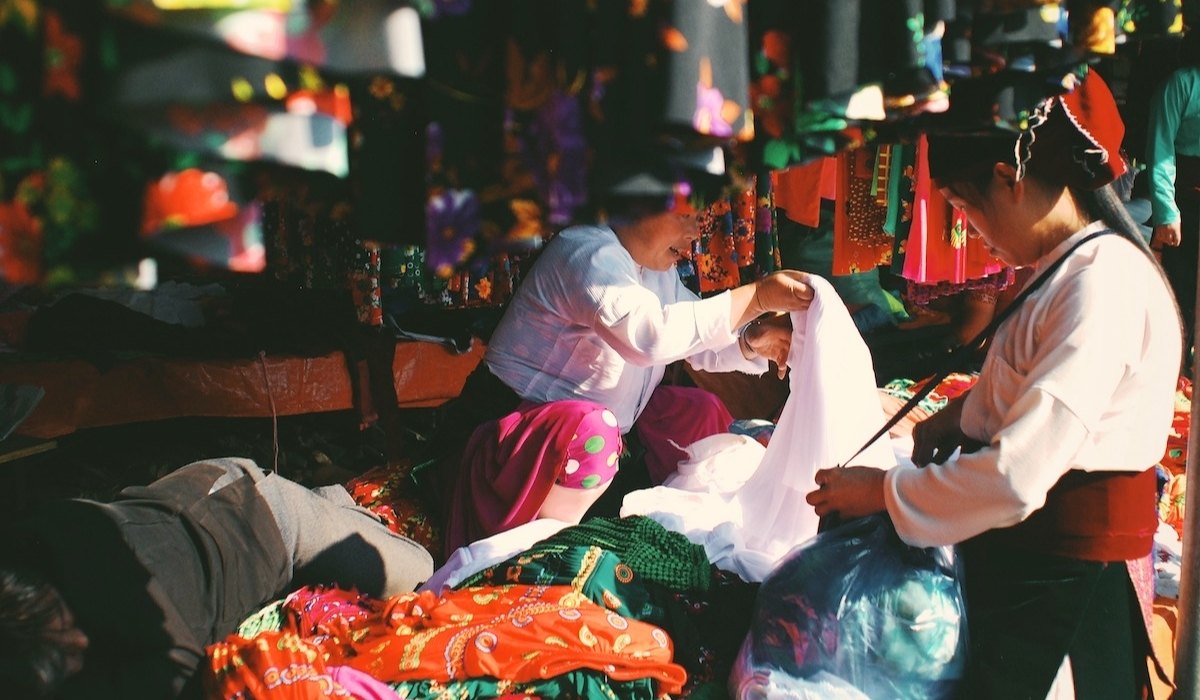
Dress codes are important when visiting markets. Conservative clothing that covers shoulders and knees is respectful and appropriate. Bright colors and loud patterns should be avoided, as they can be seen as disrespectful or attention-seeking in traditional cultural contexts.
Bargaining is expected and welcomed at most markets, but should be conducted respectfully and with understanding that many items have deep cultural significance beyond their commercial value. Traditional handicrafts, in particular, represent months of work and generations of accumulated skill, justifying their prices.
Language barriers can be significant, as many vendors speak primarily their ethnic languages with limited Vietnamese or English. However, universal gestures, basic Vietnamese phrases, and patient communication often overcome these barriers and create meaningful cultural exchanges.
Things to know before visiting markets in Ha Giang
Here are essential tips for visiting markets in Ha Giang:
Market scheduling in Ha Giang
Most ethnic markets in Ha Giang follow the lunar calendar, not fixed weekly schedules. Market days rotate based on traditional cycles that have been passed down for generations, so advance planning is essential. Travelers should always confirm market dates with local guides, homestays, or tour operators before visiting.
Popular market days to note:
- Sunday markets: Meo Vac Market, Dong Van Market
- Lunar-cycle markets: Lung Phin, Sa Phin (local confirmation recommended)
Best time of year to visit Ha Giang markets
The best time to explore Ha Giang’s ethnic markets is during the dry season from October to April, when road conditions are more reliable and temperatures are comfortable.
- Avoid the monsoon season (June–September): Heavy rains may cause landslides and market cancellations
- Spring months: Ideal for cultural festivals, traditional costumes, and ceremonies
- Harvest seasons: Markets are livelier with a wider variety of local produce and social activities
Best time of day to explore the Ha Giang markets
Ha Giang markets start very early in the morning, often before sunrise.
- Arrive early (5:00–6:00 AM): Best time to witness authentic trading and local interactions
- Peak hours: 7:00–10:00 AM, when the market is most vibrant
- After 10:00 AM: Vendors gradually leave to return to remote villages
- Late arrival: Often means missing the most authentic experiences
What to bring when visiting local markets
Being well prepared enhances both comfort and cultural respect.
- Small-denomination Vietnamese dong (large bills are rarely accepted)
- Cash is essential (Cards are rarely accepted in mountain villages)
- Comfortable walking shoes for uneven paths
- A light jacket, as mountain mornings can be chilly - even in summer
Getting there
Public transportation is limited in mountainous areas, so planning transportation in advance is important.
- Rent a motorbike or join an organized tour
- Allow extra travel time due to winding mountain roads
- Check road conditions carefully during the rainy season
Rent a motorbike in Ha Giang - best self-discovery along Ha Giang loop
What to buy at Ha Giang ethnic markets
Ha Giang markets are ideal places to purchase authentic, locally made products.
- Handwoven traditional textiles with ethnic patterns
- Silver jewelry crafted by Hmong and Dao artisans
- Fresh highland produce, including mountain vegetables and grains
- Handmade baskets, tools, and traditional household items
Conclusion
Ha Giang's ethnic markets offer visitors unprecedented opportunities to witness authentic cultural practices and engage with ethnic communities in meaningful ways. Each market visit becomes a journey through time, where centuries-old customs blend seamlessly with contemporary mountain life.
At HagiangGo, we specialize in creating authentic market tours that respect local traditions while providing visitors with deep cultural insights into the remarkable diversity that makes Ha Giang one of Vietnam's most fascinating regions.