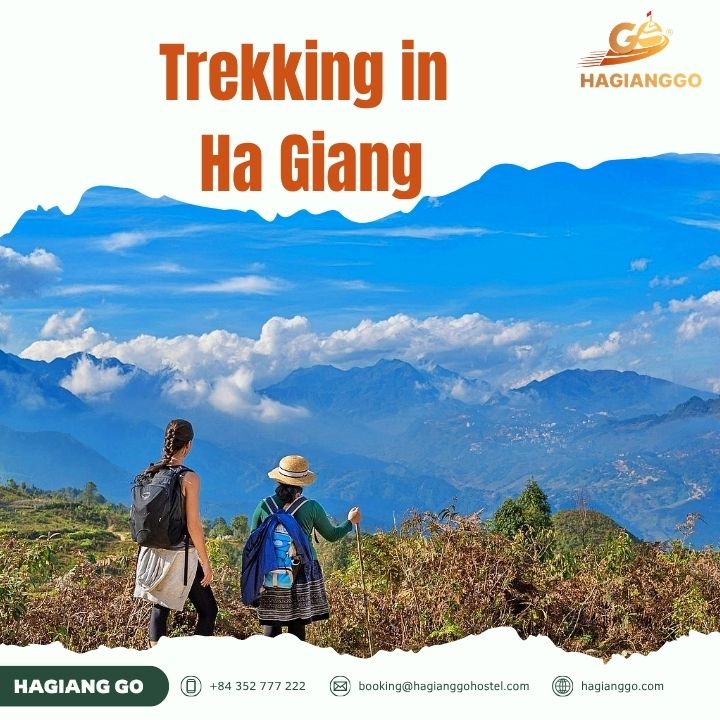

Ha Giang is one of northern Vietnam’s most rewarding trekking destinations. Travelers can choose between easy village walks near Ha Giang City, rocky trails around Dong Van and Meo Vac, or multi-day rice terrace treks in Hoang Su Phi.
First-time visitors can add a short trek to a Ha Giang Loop itinerary. Travelers who want hiking to be the main focus of their trip should allow several days for Hoang Su Phi or other remote mountain areas.
This guide compares the best places for trekking in Ha Giang, explains route difficulty, seasonal conditions, costs and packing requirements, and helps you decide whether to hire a local guide.
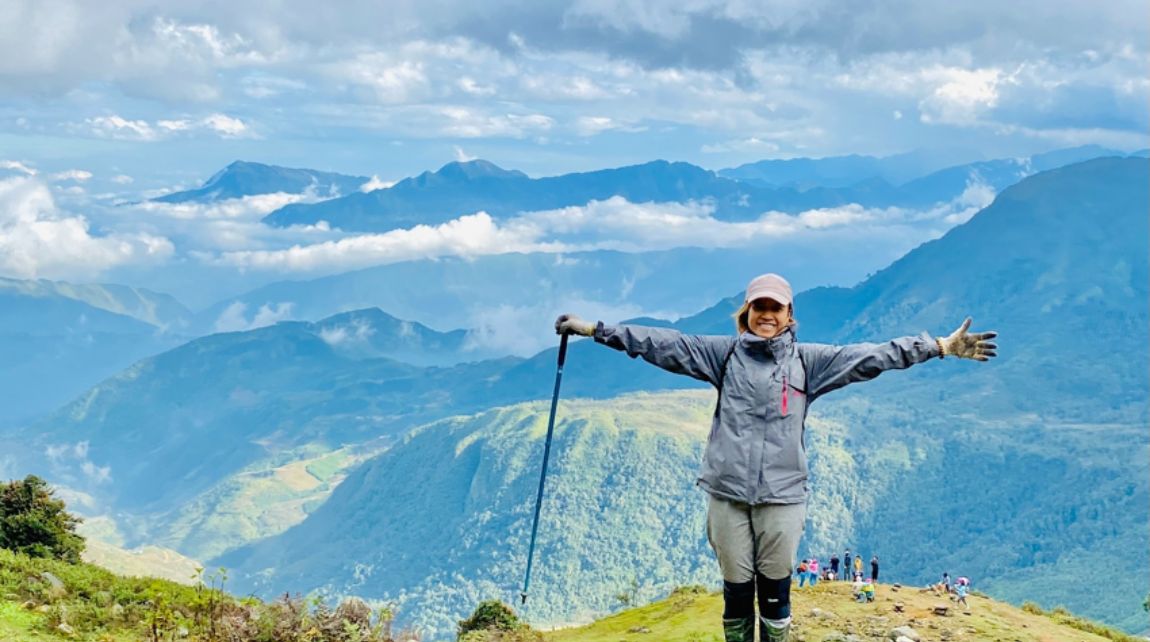
Is Ha Giang Good for Trekking?
Yes. Ha Giang is especially suitable for travelers looking for mountain landscapes, rice terraces, rural villages and quieter experiences away from the main roads.
The most suitable trekking area depends on your available time and fitness level:
- Hoang Su Phi: Best for multi-day rice terrace trekking
- Thon Tha and Khuoi My: Best for a day trek near Ha Giang City
- Nam Dam and Quan Ba: Best for easy cultural walks
- Dong Van and Lo Lo Chai: Best for rocky landscapes and village visits
- Meo Vac: Best for steep trails and dramatic mountain views
- Du Gia: Best for relaxed valley walks
Unlike the classic Ha Giang Loop, trekking allows you to move through fields, forests and villages that cannot be properly experienced from the road.
Ha Giang Trekking Routes at a Glance
1. Hoang Su Phi
- Typical duration: 2–5 days
- Difficulty: Moderate to challenging
- Main landscape: Rice terraces, forests and mountain ridges
- Best for: Multi-day hikers and photographers
- Guide recommended: Yes
2. Thon Tha and Khuoi My
- Typical duration: Half day to 1 day
- Difficulty: Easy to moderate
- Main landscape: Tay villages, rice fields and forest paths
- Best for: Travelers staying near Ha Giang City
- Guide recommended: Recommended
3. Nam Dam and Quan Ba
- Typical duration: Half day to 1 day
- Difficulty: Easy to moderate
- Main landscape: Valleys, villages and farmland
- Best for: Families and cultural travelers
- Guide recommended: Optional
4. Dong Van and Lo Lo Chai
- Typical duration: Half day to 1 day
- Difficulty: Easy to moderate
- Main landscape: Limestone mountains and rural villages
- Best for: Photography and short walks
- Guide recommended: Optional
5. Meo Vac and Nho Que Area
- Typical duration: Half day to 1 day
- Difficulty: Moderate to challenging
- Main landscape: Steep mountain paths and deep valleys
- Best for: Active and experienced travelers
- Guide recommended: Yes
6. Du Gia
- Typical duration: Half day to 1 day
- Difficulty: Easy to moderate
- Main landscape: Green valleys, rice fields and waterfalls
- Best for: Relaxed travelers
- Guide recommended: Optional
Difficulty can change significantly after rain. A route described as moderate during dry weather may become slippery and demanding during the rainy season.
Why Trekking in Ha Giang Is Worth It
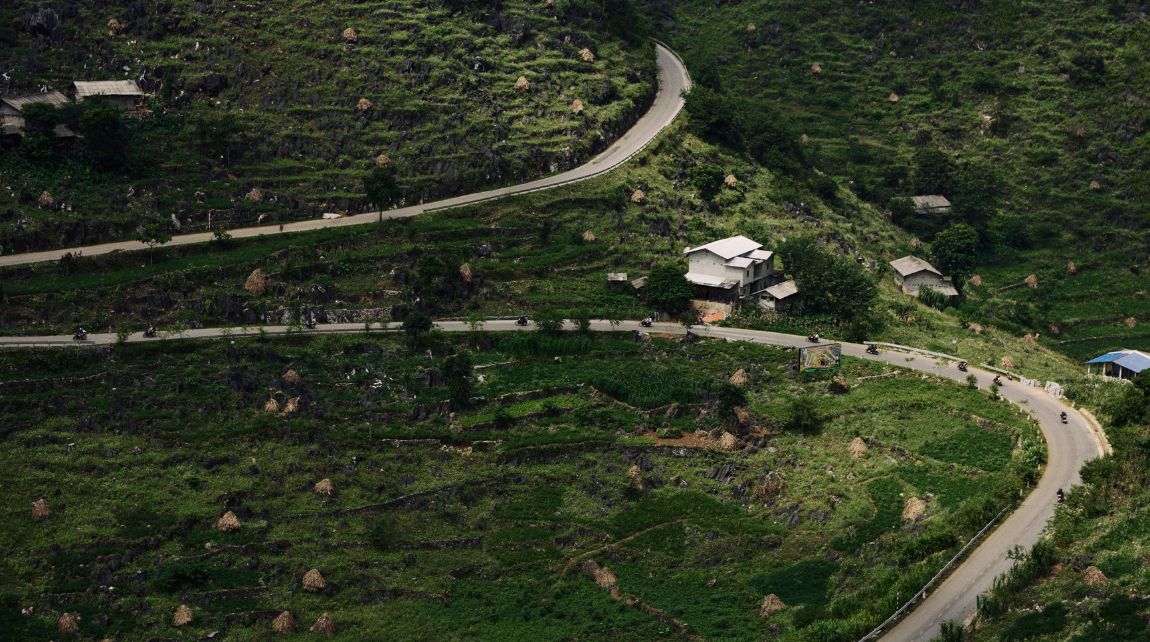
Trekking shows a different side of Ha Giang from the better-known motorbike route.
The Ha Giang Loop is ideal for covering long distances and seeing major mountain passes. Trekking is slower and more focused on the details of the landscape: cultivated terraces, streams, forest paths, traditional houses and everyday rural life.
Ha Giang is also culturally diverse. The Dong Van Karst Plateau UNESCO Global Geopark is home to 17 ethnic groups, including Hmong, Dao, Tay and Lo Lo communities.
Walking through these areas can offer meaningful cultural encounters, but visitors should remember that local villages are living communities rather than tourist displays. Travelers should ask before photographing residents, avoid entering private homes without permission and follow guidance from local hosts.
For a broader overview of the province, see the Ha Giang travel guide.
Best Places for Trekking in Ha Giang
1. Hoang Su Phi: Best for Rice Terrace Trekking
Hoang Su Phi is the strongest choice for travelers whose main goal is trekking rather than completing the classic Ha Giang Loop.
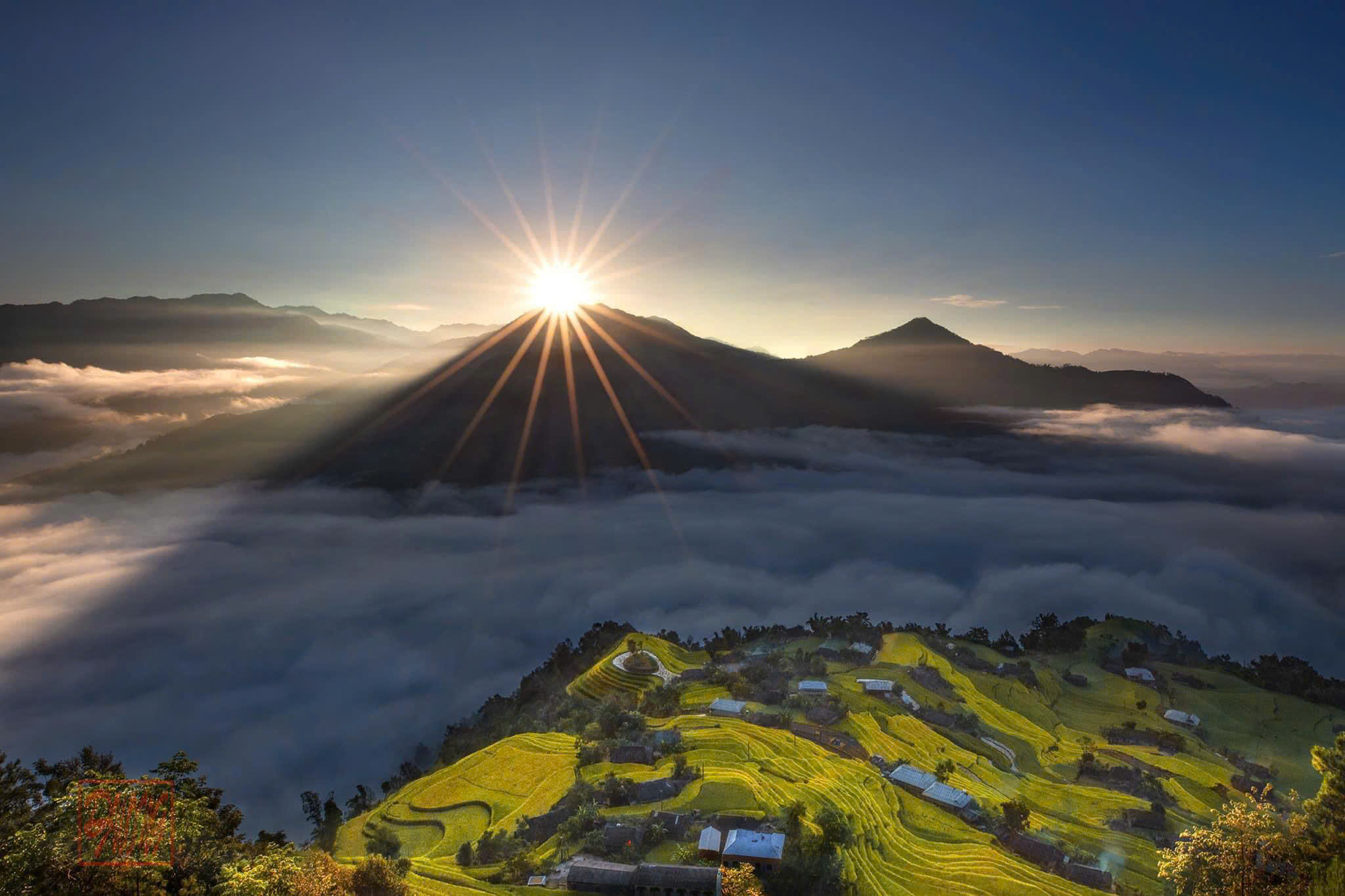
Located in western Ha Giang Province, the district is known for extensive terraced rice fields built along steep mountain slopes. Sections of the Hoang Su Phi terraces received national heritage recognition in 2011, with additional areas recognized in 2016.
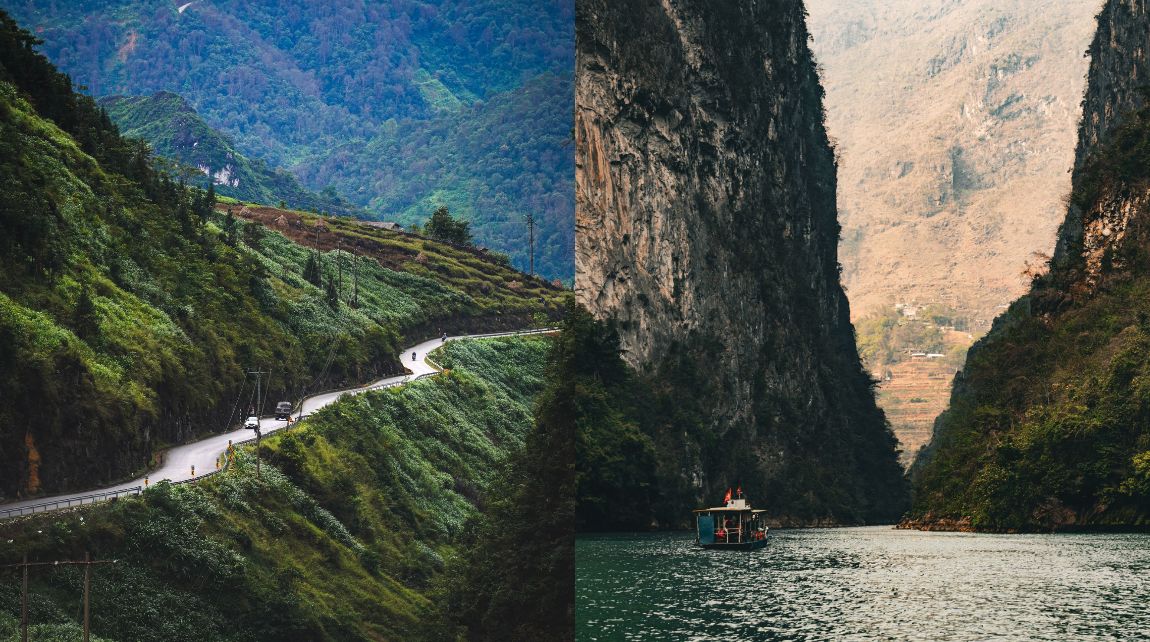
Popular trekking areas include:
- Ban Luoc
- Ban Phung
- Ho Thau
- Nam Ty
- Thong Nguyen
Routes may pass through rice terraces, bamboo or secondary forests, streams, farming settlements and mountain ridges. The terrain varies considerably, so one Hoang Su Phi trek may be relatively gentle while another involves long ascents and slippery paths.
- Best for: Multi-day hikers, photographers and slow travelers
- Recommended time: Two to five days
- Difficulty: Moderate to challenging
- Guide: Strongly recommended
- Best season: Water season or rice harvest season
Hoang Su Phi is not normally included in the classic Ha Giang Loop. Travelers combining both areas should allow extra time rather than treating Hoang Su Phi as a short detour.
See the Hoang Su Phi travel guide before planning transportation and accommodation.
2. Thon Tha and Khuoi My: Best Day Trek Near Ha Giang City
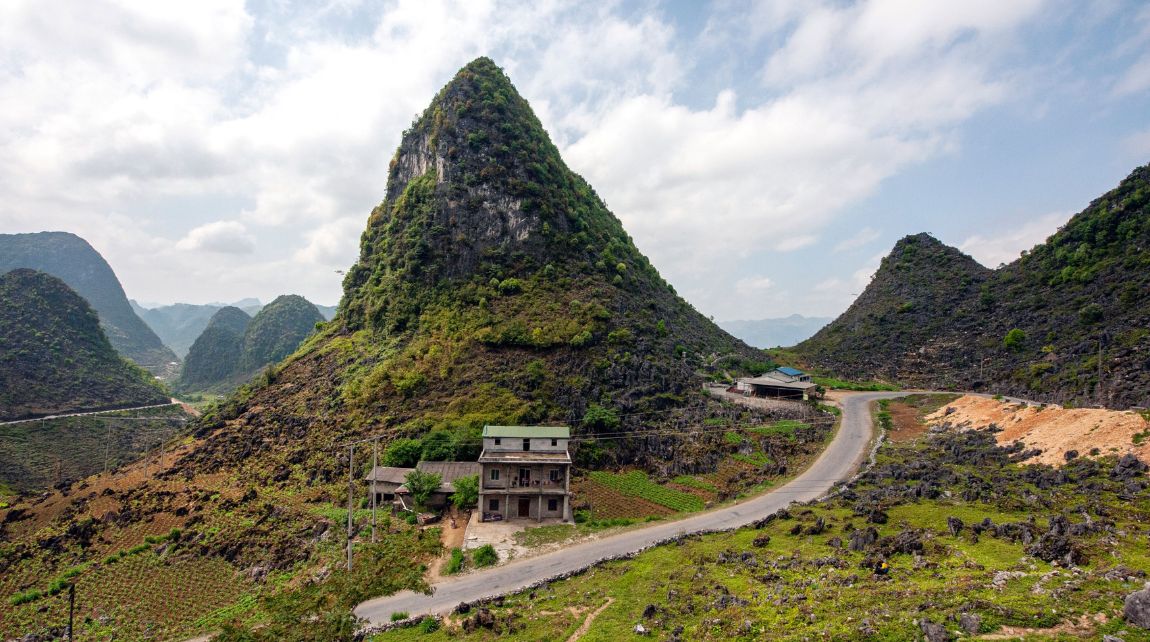
The villages outside Ha Giang City are suitable for travelers who want a genuine hiking experience without committing to a remote multi-day trek.
Thon Tha is known for traditional Tay houses, rice fields and a quiet rural setting. Guided routes in the surrounding area may continue toward higher villages such as Khuoi My or connect several settlements through farmland and forest paths.
These routes are convenient before or after the Ha Giang Loop because travelers can begin and finish near Ha Giang City. However, longer day routes may still involve steep sections, uneven surfaces and several hours of walking.
- Best for: First-time visitors and travelers with one free day
- Recommended time: Half day to one full day
- Difficulty: Easy to moderate, depending on the route
- Guide: Recommended for longer routes
A short walk around Thon Tha is suitable for a relaxed arrival day. A full-day route through multiple villages requires better fitness and appropriate footwear.
Need help choosing a route?
HaGiangGo can help you compare a short village walk, a full-day guided trek and a Ha Giang Loop itinerary based on your available time and fitness level.
3. Nam Dam and Quan Ba: Best for Culture and Easy Walks
Nam Dam is a Dao community near Quan Ba, usually visited during the first section of the Ha Giang Loop.
The area is more suitable for gentle cultural walking than intense mountain trekking. Visitors can walk between homes, fields and surrounding hills while learning about local architecture and agricultural life.
Staying overnight in a local homestay gives travelers more time to explore the village without rushing through Quan Ba as a roadside stop.
- Best for: Families, couples and travelers interested in local culture
- Recommended time: Half day to one day
- Difficulty: Easy to moderate
- Guide: Optional for short walks
Nam Dam works particularly well as an addition to a longer Ha Giang Loop tour.
4. Dong Van and Lo Lo Chai: Best for Karst Landscapes
Dong Van offers a very different trekking environment from Hoang Su Phi.
Instead of wide green terraces, the landscape is dominated by limestone peaks, rocky farmland and highland settlements. Short hikes can be arranged around Dong Van Town, Lung Cu and nearby villages such as Lo Lo Chai.
These routes are generally better suited to cultural walks and photography than long forest treks. The ground can be rocky, exposed and uneven, particularly outside village roads.
- Best for: Photographers and travelers interested in highland villages
- Recommended time: Half day to one day
- Difficulty: Easy to moderate
- Guide: Optional for simple routes; recommended for remote paths
Travelers can combine a short Dong Van walk with visits to the Old Quarter, Lung Cu Flag Tower or other attractions in northern Ha Giang.
5. Meo Vac and the Nho Que Area: Best for Dramatic Views
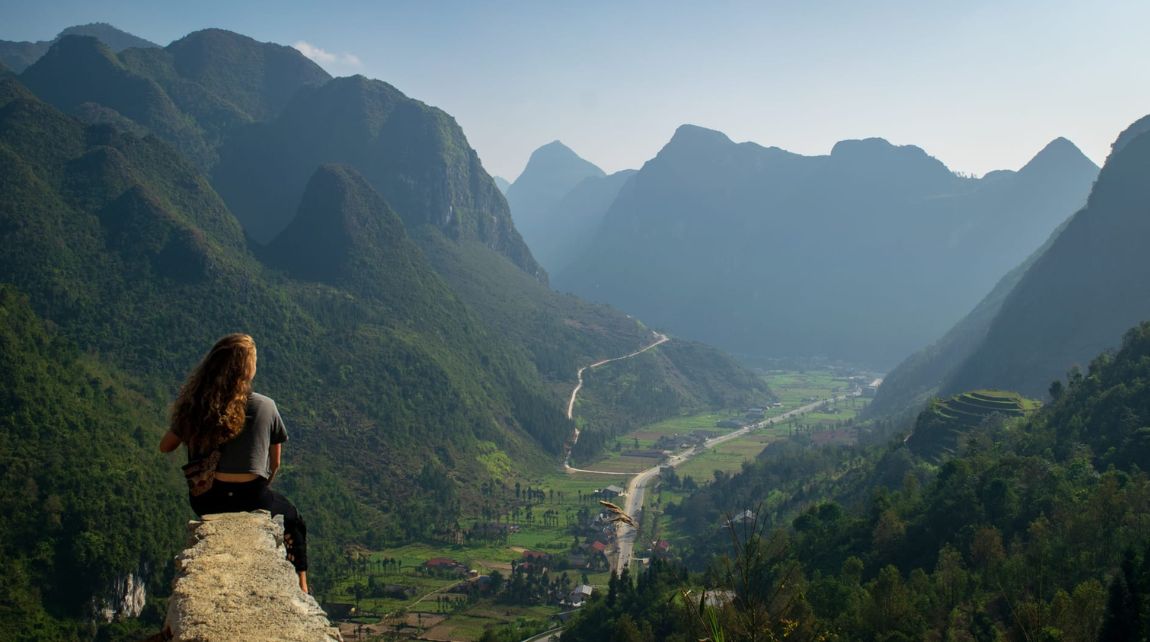
The Meo Vac area offers some of Ha Giang’s steepest and most impressive mountain scenery.
Possible walks include village paths, trails near the Ma Pi Leng landscape and routes overlooking valleys around the Nho Que River. Some sections may involve steep climbs, exposed terrain or narrow paths.
Travelers should not judge these routes by distance alone. A relatively short mountain trail can take several hours because of elevation changes, uneven surfaces and frequent weather changes.
- Best for: Active travelers and experienced hikers
- Recommended time: Half day to one full day
- Difficulty: Moderate to challenging
- Guide: Recommended
Avoid attempting remote routes based only on an online map. Trail conditions, access points and local restrictions may change.
Travelers interested in the area can also review the Ma Pi Leng Skywalk guide.
6. Du Gia: Best for Relaxed Valley Walking
Du Gia is a popular overnight stop toward the end of many Ha Giang Loop itineraries.
The village is surrounded by green valleys, farmland, waterfalls and smaller settlements. Walking routes around Du Gia are generally less demanding than the steep trails around Meo Vac or Hoang Su Phi.
Visitors can stay in a homestay, walk through the valley and visit nearby natural attractions without following a fixed trekking schedule.
- Best for: Relaxed travelers, couples and homestay guests
- Recommended time: Half day to one day
- Difficulty: Easy to moderate
- Guide: Optional for common routes
Du Gia is a useful choice for travelers who want to slow down after several days on the road.
How to Choose the Right Trekking Area
Choose your Ha Giang trekking route based on four factors: time, fitness, landscape and transportation.
Choose Hoang Su Phi if:
- Trekking is the main purpose of your trip
- You can spend at least two or three days in the area
- You want rice terraces and rural homestays
- You are comfortable with longer and steeper routes
Choose a trek near Ha Giang City if:
- You only have one free day
- You want to walk before or after the Loop
- You prefer easier transportation
- You do not want to carry luggage between remote villages
Choose Dong Van or Meo Vac if:
- You are already traveling around the Ha Giang Loop
- You prefer rocky mountain scenery
- You want a short but active side trip
- You are comfortable with exposed terrain
Choose Nam Dam or Du Gia if:
- You prefer gentle walking
- You are traveling with family
- You want more time in villages and homestays
- You do not need an intense hiking challenge
Best Time for Trekking in Ha Giang
The best time for trekking in Ha Giang depends on the region and the landscape you want to see.
|
Period |
Typical conditions |
Recommended for |
|
March to April |
Mild temperatures, spring vegetation and occasional rain |
General trekking and village walks |
|
May to June |
Water-filled rice terraces and increasingly humid conditions |
Terrace photography and flexible itineraries |
|
July to August |
Frequent rain, muddy trails and possible route disruption |
Travelers who can adjust plans locally |
|
September to early October |
Rice harvest season in many terrace areas |
Hoang Su Phi trekking and photography |
|
November |
Cooler and often drier conditions |
Karst landscapes and village routes |
|
December to February |
Cold, fog and limited visibility at higher elevations |
Well-prepared travelers with flexible plans |
Rice planting and harvesting dates are not identical every year. Weather, altitude and agricultural schedules can shift the best viewing period between villages.
Check the latest Ha Giang weather information and ask a local guide about trail conditions before beginning a remote trek.

Can You Trek During the Rainy Season?
Yes, but routes may become much more difficult.
Heavy rain can create mud, reduce visibility and increase the risk of falling rocks or landslides. Streams may rise quickly, while narrow trails can become slippery.
During wet conditions:
- Confirm the route with a local guide.
- Avoid remote trails during severe weather.
- Carry a waterproof layer.
- Protect electronics and documents.
- Leave extra time for transportation.
- Be prepared to change or shorten the itinerary.
A flexible route is safer than trying to complete a fixed plan in poor weather.
Do You Need a Guide for Trekking in Ha Giang?
A guide is not always necessary for short village walks, but it is strongly recommended for remote or multi-day trekking.
Travelers may be able to walk independently around:
- Thon Tha
- Nam Dam
- Central Du Gia
- Common village roads near Dong Van
A guide is advisable for:
- Multi-day Hoang Su Phi routes
- Mountain trails around Meo Vac
- Forest or ridge routes
- Areas with unclear trail markings
- Homestays in less-visited villages
- Routes affected by recent rain
Local guides support navigation, communication and cultural understanding. They can also adjust the route when trails are blocked or weather conditions change.
Offline maps can be useful, but they should not replace local advice in isolated areas.
How Much Does Trekking in Ha Giang Cost?
The cost of trekking in Ha Giang depends on the route, duration, group size and included services.
Common price factors include:
- Private or shared guide
- Transportation to the trailhead
- Number of trekking days
- Homestay accommodation
- Meals and drinking water
- Private or shared room
- Luggage transfer
- Local entrance fees
- Additional transport after the trek
A short independent village walk may cost very little beyond transportation and food. A guided multi-day trek with accommodation, meals and transfers will cost more.
Before booking, check whether the quoted price includes:
- Pickup and return transportation
- English-speaking guide
- Accommodation
- Meals
- Water
- Entrance fees
- Rain equipment
- Luggage storage
- Travel insurance
Prices and inclusions can change. Review the current itinerary and service details directly with the operator before confirming a booking.
Suggested Ha Giang Trekking Itineraries
One-Day Trek Near Ha Giang City
This option is suitable for travelers arriving before the Ha Giang Loop or returning from the route with one extra day.
Example plan:
- Morning transfer from Ha Giang City
- Walk through a Tay village
- Continue through rice fields and forest paths
- Stop for a local lunch
- Visit another village or waterfall
- Return to Ha Giang City in the afternoon
The exact route should be selected according to weather and fitness level.
Three-Day Hoang Su Phi Trek
This itinerary is suitable when rice terraces and rural landscapes are the main focus.
Day 1: Travel from Ha Giang City to Hoang Su Phi and begin a short village walk
Day 2: Full-day trek through terraces, forest and farming settlements
Day 3: Morning walk followed by transportation back to Ha Giang City
Travelers who want a slower itinerary should add another day.
Five-Day Loop With Short Hikes
A five-day itinerary is better suited to combining the Ha Giang Loop with shorter walks than attempting a full Hoang Su Phi trek.
Day 1: Ha Giang City and nearby village walk
Day 2: Ha Giang City to Quan Ba or Yen Minh
Day 3: Dong Van, Lung Cu and a short village walk
Day 4: Ma Pi Leng, Meo Vac and a short hike
Day 5: Du Gia and return to Ha Giang City
This option offers both road travel and walking without creating an unrealistic schedule.
Seven- to Eight-Day Trekking and Loop Combination
Travelers who want both Hoang Su Phi and the classic Ha Giang Loop should allow at least seven or eight days.
A realistic structure is:
- Two to three days in Hoang Su Phi
- One transportation or rest day
- Four days on the Ha Giang Loop
Trying to combine both regions in five days can create long travel days and limited trekking time.
What to Pack for Trekking in Ha Giang
Pack lightly, but prepare for changing mountain conditions.
Essential items
- Comfortable trekking shoes with good grip
- Lightweight waterproof jacket
- Warm layer
- Long trousers
- Sun hat
- Sunscreen
- Insect repellent
- Reusable water bottle
- Small daypack
- Power bank
- Cash
- Personal medication
- Basic first-aid supplies
- Travel insurance details
- Waterproof bag for electronics
Avoid delicate clothing and smooth-soled shoes. Trails may remain muddy even after the rain stops.
For multi-day treks
Also consider bringing:
- Quick-drying clothes
- Spare socks
- Headlamp
- Compact towel
- Personal toiletries
- Water purification method
- Small amount of toilet paper
- Lightweight sandals for the homestay
Keep your main luggage in Ha Giang City when possible and carry only what you need for the trek.
More details: What to pack for a safe and fabulous Ha Giang Loop exploration?
Trekking Safety in Ha Giang
Trekking in Ha Giang involves uneven terrain, steep slopes and rapidly changing weather.
Follow these safety principles:
- Check weather and trail conditions before departure.
- Tell your accommodation or guide where you are going.
- Do not rely entirely on mobile signal.
- Carry enough water and food.
- Avoid unknown trails after dark.
- Do not cross fast-moving water.
- Turn back when conditions become unsafe.
- Use a guide for isolated mountain routes.
- Confirm that your travel insurance covers hiking activities.
- Allow extra time rather than rushing to meet transportation.
Travelers combining trekking with a self-riding motorbike trip should also confirm Vietnamese licence requirements and their insurance conditions before riding.
Responsible Trekking in Local Villages
Ha Giang’s villages are home to local families and working agricultural communities.
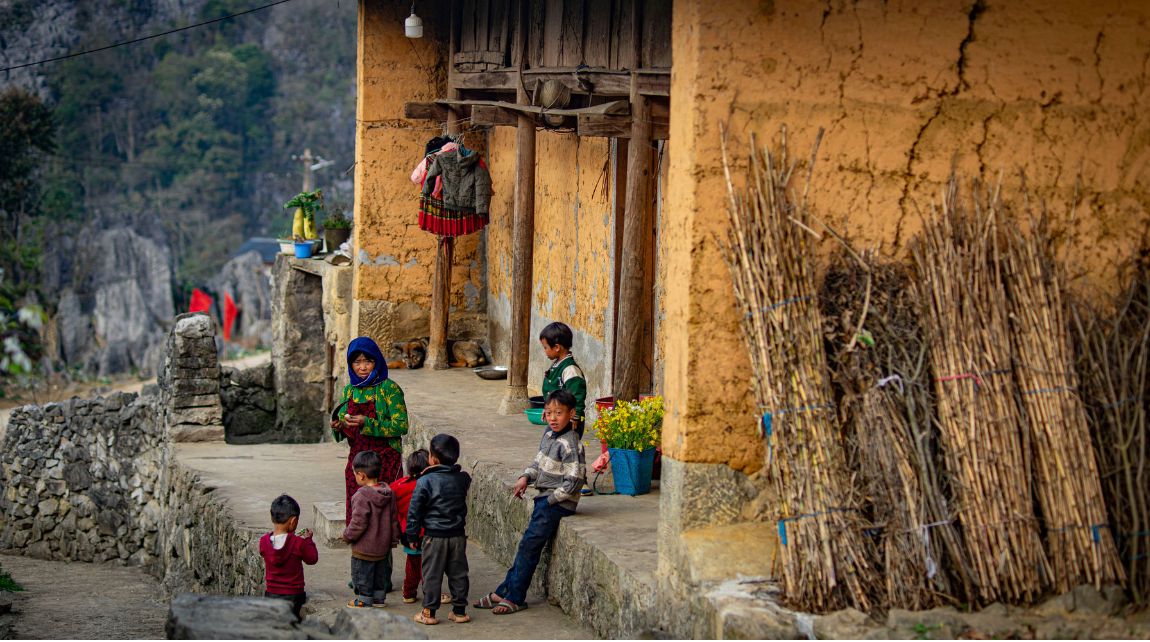
Travel respectfully by following a few simple principles:
- Ask before photographing people.
- Do not photograph children without permission.
- Stay on established paths where possible.
- Avoid walking through crops.
- Do not enter homes without being invited.
- Dress respectfully in villages.
- Carry your waste back with you.
- Avoid giving money or sweets directly to children.
- Buy food, drinks or handicrafts from local families when appropriate.
- Follow guidance from village hosts and local guides.
Responsible trekking protects the landscape and creates a more respectful relationship between visitors and residents.
Should You Combine Trekking With the Ha Giang Loop?
Yes. Combining trekking with the Ha Giang Loop is the best option for many first-time visitors.
The Loop provides access to major destinations such as Quan Ba, Dong Van, Ma Pi Leng, Meo Vac and Du Gia. Short walks can then be added without requiring a separate expedition.
Choose a combined itinerary when:
- You have four to six days
- You want both road scenery and village experiences
- Trekking is important but not the only purpose of the trip
- You prefer several shorter walks rather than one multi-day trek
Choose a dedicated Hoang Su Phi trek when hiking and rice terraces are your main priorities.
Plan Your Ha Giang Trekking Route
The right trekking route depends on your fitness, travel dates, weather conditions and available time.
HaGiangGo can help travelers compare:
- Short village walks near Ha Giang City
- Full-day guided trekking
- Easy walking routes added to the Ha Giang Loop
- Easy Rider itineraries with hiking stops
- Longer trekking plans in remote areas
Share your travel dates, preferred trip length and hiking experience before booking. This allows the local team to recommend a route that matches your needs rather than placing every traveler on the same itinerary.
Frequently Asked Questions About Trekking in Ha Giang
1. Is trekking in Ha Giang difficult?
Trekking difficulty ranges from easy village walks to demanding mountain routes. Nam Dam and central Du Gia are generally suitable for relaxed walking, while Hoang Su Phi and Meo Vac may involve steep slopes, mud and several hours of continuous hiking. Weather can also make an otherwise moderate trail significantly more difficult.
2. Can beginners go trekking in Ha Giang?
Yes. Beginners should choose a half-day village walk or a guided day trek near Ha Giang City, Quan Ba or Du Gia. Avoid selecting a route based only on distance. Elevation, trail surface and weather are often more important than the number of kilometers.
3. Can I trek independently in Ha Giang?
Independent walking is possible on common village roads and short routes near established tourist areas. A guide is recommended for remote trails, multi-day treks, forest routes and areas with limited signs. Mobile maps may not show current trail access or weather-related damage.
4. Is Hoang Su Phi part of the Ha Giang Loop?
No. Hoang Su Phi is located in western Ha Giang Province, while the classic Loop follows a route through Quan Ba, Yen Minh, Dong Van, Meo Vac and often Du Gia. Combining both areas requires additional transportation time and a longer itinerary.
5. How many days do I need for trekking in Ha Giang?
One day is enough for a village trek near Ha Giang City. Allow two to five days for Hoang Su Phi and at least seven days if you want to combine a serious trek with the full Ha Giang Loop.
6. What is the best trekking season in Ha Giang?
March to April is suitable for mild conditions, while September to early October is often preferred for rice harvest scenery in Hoang Su Phi. July and August can bring heavy rain and muddy trails. Exact agricultural and weather conditions vary each year.
7. Can I trek in Ha Giang during the rainy season?
Yes, but plans should remain flexible. Heavy rain may create slippery trails, rising streams and transportation delays. Confirm conditions locally, avoid remote routes during severe weather and be prepared to shorten or change the trek.
8. Do I need trekking shoes?
Shoes with good grip are strongly recommended. Smooth-soled trainers may be adequate for short village roads in dry weather but are not suitable for muddy terraces, steep paths or multi-day mountain routes.
9. Are homestays available on trekking routes?
Homestays are available in several trekking areas, particularly Hoang Su Phi, Nam Dam and villages around Ha Giang City. Facilities are usually simpler than hotels and may include shared sleeping areas or bathrooms. Confirm room type, meals and facilities before booking.
10. Is there mobile phone signal on the trails?
Signal may be available near towns and larger villages but can become weak or unavailable in valleys, forests and remote mountain areas. Download offline maps and important booking details before departure, but do not rely on your phone as the only navigation method.
Summary
Trekking in Ha Giang is ideal for travelers who want to experience the province beyond its mountain roads.
Hoang Su Phi offers the strongest multi-day trekking experience, while Thon Tha, Nam Dam, Dong Van and Du Gia are easier to include in a Ha Giang Loop itinerary. Meo Vac provides more challenging terrain for active travelers.
Choose a route based on fitness, weather and available time. Use a local guide for remote trails, prepare for changing mountain conditions and travel respectfully through local communities.