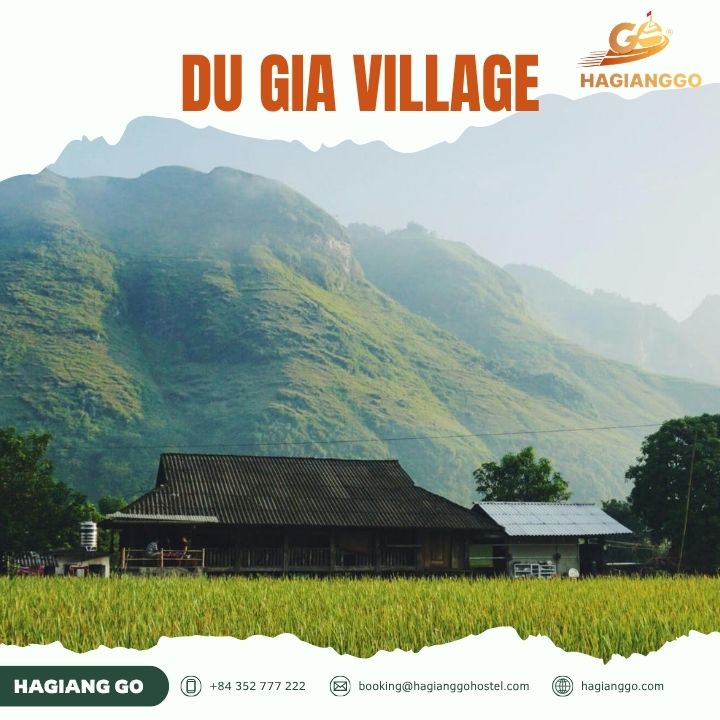

Du Gia Ha Giang at a glance
- Best for: Homestays, waterfalls, rural scenery and slower travel
- Typical stay: 1 night
- For slow travel: 2 nights
- Known for: Du Gia Waterfall, village scenery, homestays and local market
- Typical Loop route: Meo Vac → Mau Due → Du Gia → Lung Tam → Ha Giang
- Best itinerary: 4 days if you want enough time to explore
- Transport: Motorbike, Easy Rider or private car
- Nearby natural area: Du Gia National Park
- Market: Weekly; confirm the current market day locally before planning around it
Where Is Du Gia Village?
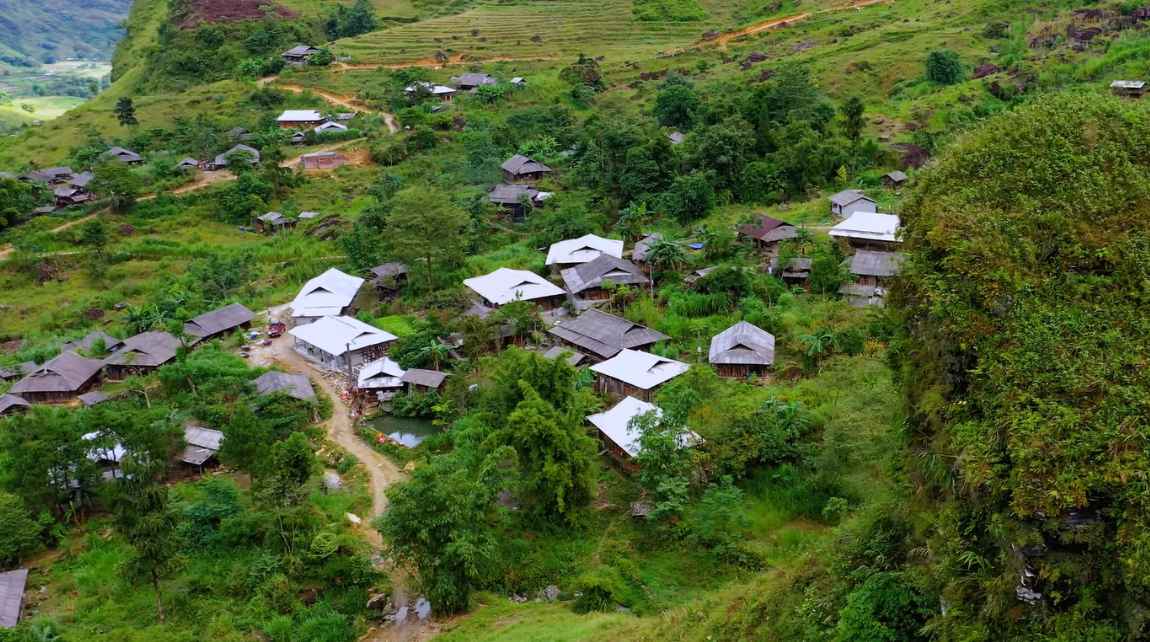
Du Gia is a mountainous commune on the eastern side of the Ha Giang Loop, after the Meo Vac - Mau Due section and before the return toward Quan Ba and Ha Giang City.
For travelers, “Du Gia Village” usually refers to the main settlement and homestay area rather than one formally defined tourist village.
Du Gia was formerly part of Yen Minh District, Ha Giang Province. Following Vietnam's 2025 administrative reorganization, Du Gia is now administratively part of Tuyen Quang Province, although international travelers and tour operators still commonly use “Du Gia, Ha Giang” because the area remains firmly associated with the Ha Giang Loop.
Current provincial tourism information continues to identify Du Gia as an important stop on the route through the Dong Van Karst Plateau, highlighting its waterfalls, streams, Tay and Hmong communities and traditional village architecture.
For most visitors, the simplest route relationship is: Dong Van → Ma Pi Leng Pass → Meo Vac → Mau Due → Du Gia → Ha Giang
Why Visit Du Gia on the Ha Giang Loop?
Du Gia offers a different experience from the high limestone scenery around Dong Van and Meo Vac.
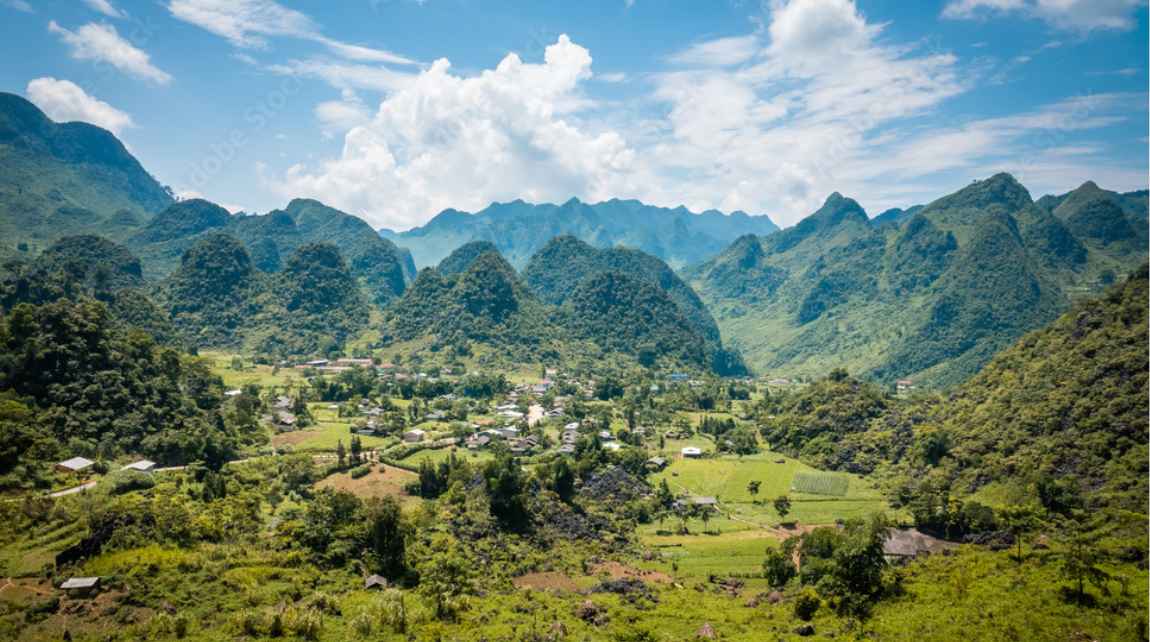
If the Dong Van - Ma Pi Leng section is the most dramatic part of the Loop, Du Gia is where the journey becomes greener and more relaxed. Instead of moving between major viewpoints, travelers can spend time around village roads, streams, homestays and forested valleys.
The area is particularly suitable for travelers who want:
- A quieter overnight stop
- Local homestay accommodation
- Village and agricultural scenery
- Waterfalls and streams
- Short walks rather than major sightseeing
- A slower final section of the Ha Giang Loop
Recent provincial tourism information also highlights Du Gia's traditional Tay and Hmong settlements, local cultural practices, waterfalls and natural landscape as important parts of the destination.
Best Things to Do in Du Gia Village
1. Visit Du Gia Waterfall
Du Gia Waterfall is the best-known natural stop around the village, but travelers should approach swimming with more caution than many older travel guides suggest.
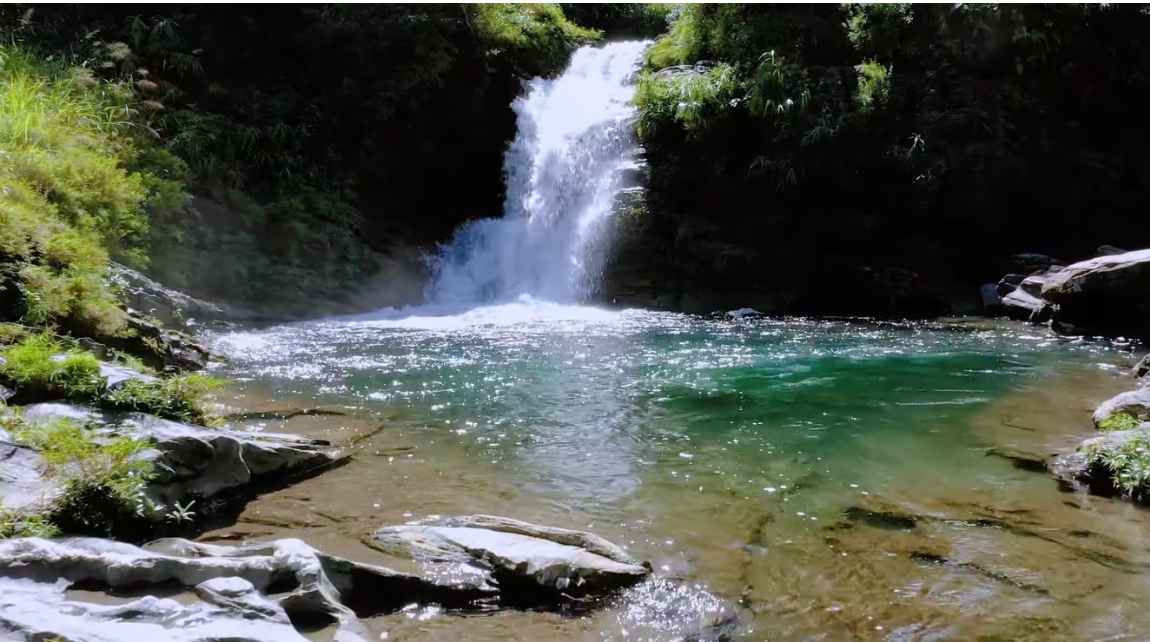
The waterfall is also referred to locally as Tham Luong Waterfall or Ba Tien Waterfall. Current Du Gia government information continues to list Ba Tien Waterfall among the area's visitor attractions.
The final access varies depending on where you stay and current road conditions. Expect a short journey from the main homestay area followed by some walking rather than a polished tourist entrance.
The pool has historically been popular for swimming, but that does not mean conditions are always safe. A fatal drowning occurred at the waterfall in 2023, and visitor-management arrangements around the site have continued to change. In May and June 2026, local authorities issued notices concerning the management and operation of the Ba Tien Waterfall visitor area.
If you visit:
- Check current signs and local instructions
- Ask your accommodation or guide about water conditions
- Do not jump from rocks or cliffs
- Avoid entering after heavy rainfall
- Do not assume calm-looking water is shallow
- Keep children closely supervised
Treat the waterfall as a natural site rather than a managed swimming pool.
2. Stay at a Local Homestay
For many travelers, the homestay is as important as the waterfall.
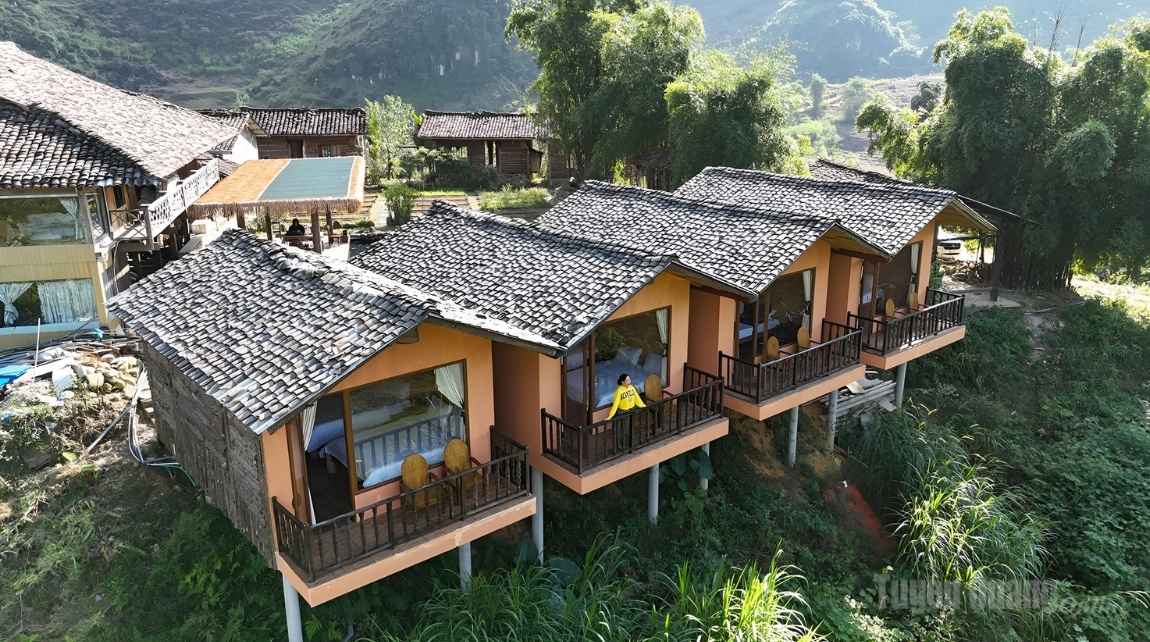
Du Gia has become a popular overnight stop because travelers can stay in the valley rather than continuing directly back toward Ha Giang.
A typical homestay may offer:
- A private room or shared dormitory
- A communal dinner
- Simple Vietnamese or regional dishes
- Mountain or rice-field views
- Shared social areas
For international travelers, especially couples and comfort-focused visitors, it is worth checking exactly what “homestay” means before booking.
Ask about:
- Private vs. shared room
- Private vs. shared bathroom
- Hot water
- Air conditioning or fans
- Heating during colder months
- Noise from communal dining areas
- Breakfast and dinner arrangements
A homestay does not necessarily mean sleeping inside a family's private home. Many properties in Ha Giang now operate as small guesthouses while retaining a local architectural style and communal atmosphere.
3. Explore Du Gia Market
Du Gia's weekly market is one of the best opportunities to see the area at its busiest.
Current provincial tourism coverage highlights Du Gia Market as a place selling agricultural products from the surrounding area.
Published sources are inconsistent about whether the regular market is held on Friday or Saturday. Older Vietnamese reports describe a Saturday market, while some more recent tourism listings, including HaGiangGo's existing Du Gia guide, list Friday morning.
For that reason:
If the market is important to your itinerary, confirm the current day with your homestay or tour operator shortly before you arrive.
When visiting, remember that this is primarily a local trading space, not a tourist performance. Ask before taking close-up photographs of people and avoid blocking vendors or livestock areas.
4. Walk Through the Valley
Du Gia does not require a long list of attractions to be enjoyable.
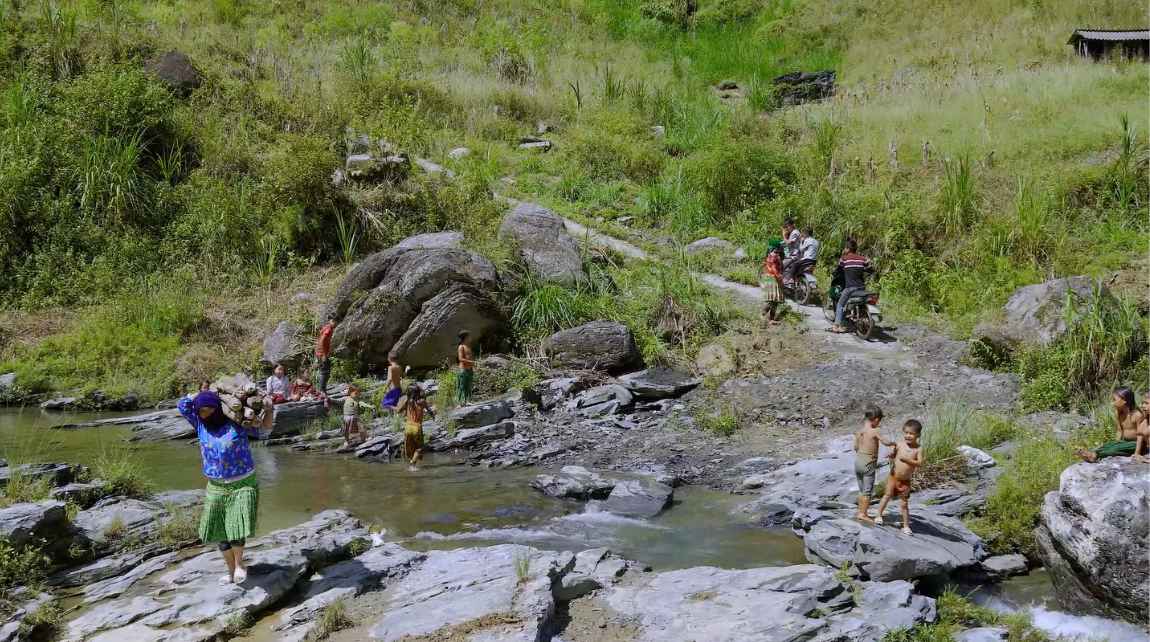
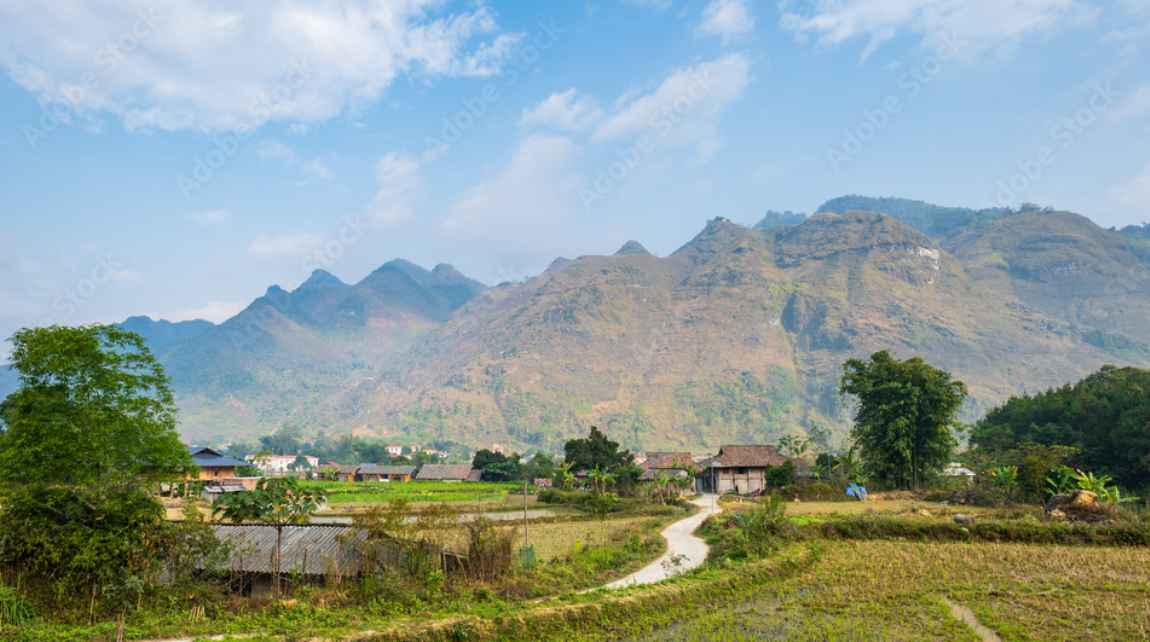
One of the simplest activities is walking around the settlement and nearby rural roads. The landscape combines:
- Rice fields
- Streams
- Forested mountains
- Traditional houses
- Small agricultural plots
- Narrow village lanes
Early morning and late afternoon are particularly pleasant because there is generally less traffic and softer light for photography.
Stay on established paths and remember that fields are working agricultural land rather than public photo locations.
5. Learn About Du Gia National Park
The wider Du Gia area is connected with Du Gia National Park – Dong Van Karst Plateau, an important protected landscape.
Vietnam's Nature and Biodiversity Conservation Agency lists the park at approximately 15,006 hectares and notes its high biodiversity, including rare plants and animals. Part of the protected area overlaps with the wider Dong Van Karst Plateau landscape.
This does not mean travelers can freely trek through protected forest.
If you want deeper hiking or nature exploration, use established routes and seek local guidance rather than entering forest areas independently.
How Long Should You Stay in Du Gia?
One night is enough for most Ha Giang Loop travelers. Two nights are better if Du Gia itself is part of the reason for your trip.
One Night: Best for Most Loop Travelers
A typical visit might look like:
Afternoon
- Arrive from Meo Vac or Mau Due
- Check into a homestay
- Walk through the village
- Have dinner and rest
Next morning
- Visit the waterfall if conditions allow
- Explore the village
- Continue toward Lung Tam and Ha Giang
This pattern fits naturally into both 3-day and 4-day Loop itineraries.
Two Nights: Best for Slow Travel
Consider two nights if you:
- Want a full rest day
- Enjoy photography
- Want to explore the valley on foot
- Are traveling as a couple at a slower pace
- Want to visit the market
- Prefer fewer hours on the road each day
You do not need two nights simply to “see the sights.” The advantage is having time to experience the area without treating every stop as part of a fixed schedule.
How Does Du Gia Fit into a Ha Giang Loop Itinerary?
Du Gia usually comes toward the end of the classic Loop, after Ma Pi Leng Pass, Meo Vac and Mau Due.
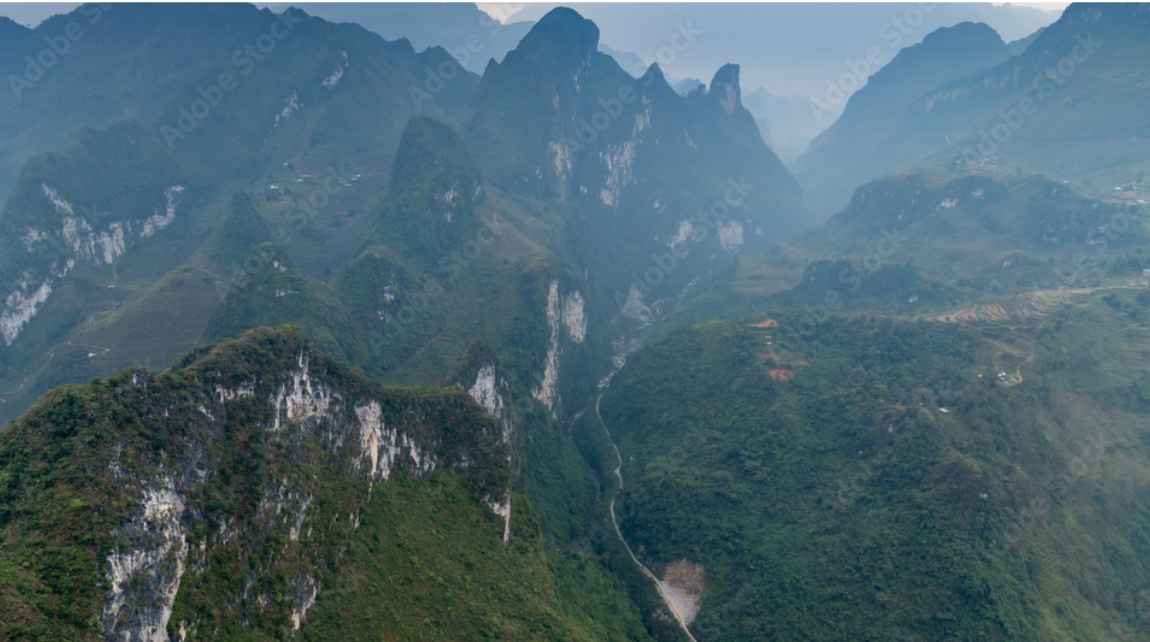
HaGiangGo's current itineraries use Du Gia in both 3-day and 4-day routes. Its 4-day route places the village after Dong Van, Ma Pi Leng Pass and the Nho Que River, before returning through Lung Tam and Quan Ba.
3-Day Loop Tour
A typical structure is:
- Day 1: Ha Giang → Quan Ba → Yen Minh → Dong Van
- Day 2: Dong Van → Ma Pi Leng → Nho Que River → Meo Vac → Mau Due → Du Gia
- Day 3: Du Gia → Duong Thuong → Lung Tam → Quan Ba → Ha Giang
This works when your schedule is limited, but the Du Gia stay can feel short.
4-Day Loop Tour
A four-day itinerary gives you more breathing room:
- Day 1: Ha Giang → Quan Ba → Yen Minh
- Day 2: Yen Minh → Dong Van → Lung Cu → Dong Van
- Day 3: Dong Van → Ma Pi Leng → Nho Que River → Meo Vac → Du Gia
- Day 4: Du Gia → Lung Tam → Quan Ba → Ha Giang
HaGiangGo currently estimates around 5 - 6 hours of riding per day for its 4-day Loop, allowing more time for stops than a compressed itinerary.
For travelers who specifically want to enjoy Du Gia rather than simply sleep there, four days is the better choice.
Not sure whether three or four days is right for you? Compare HaGiangGo's Ha Giang Loop tour options based on your available time, riding experience and whether you want to explore Du Gia at a slower pace.
How Do You Get to Du Gia Village?
Most international visitors reach Du Gia in one of three ways.
By Motorbike
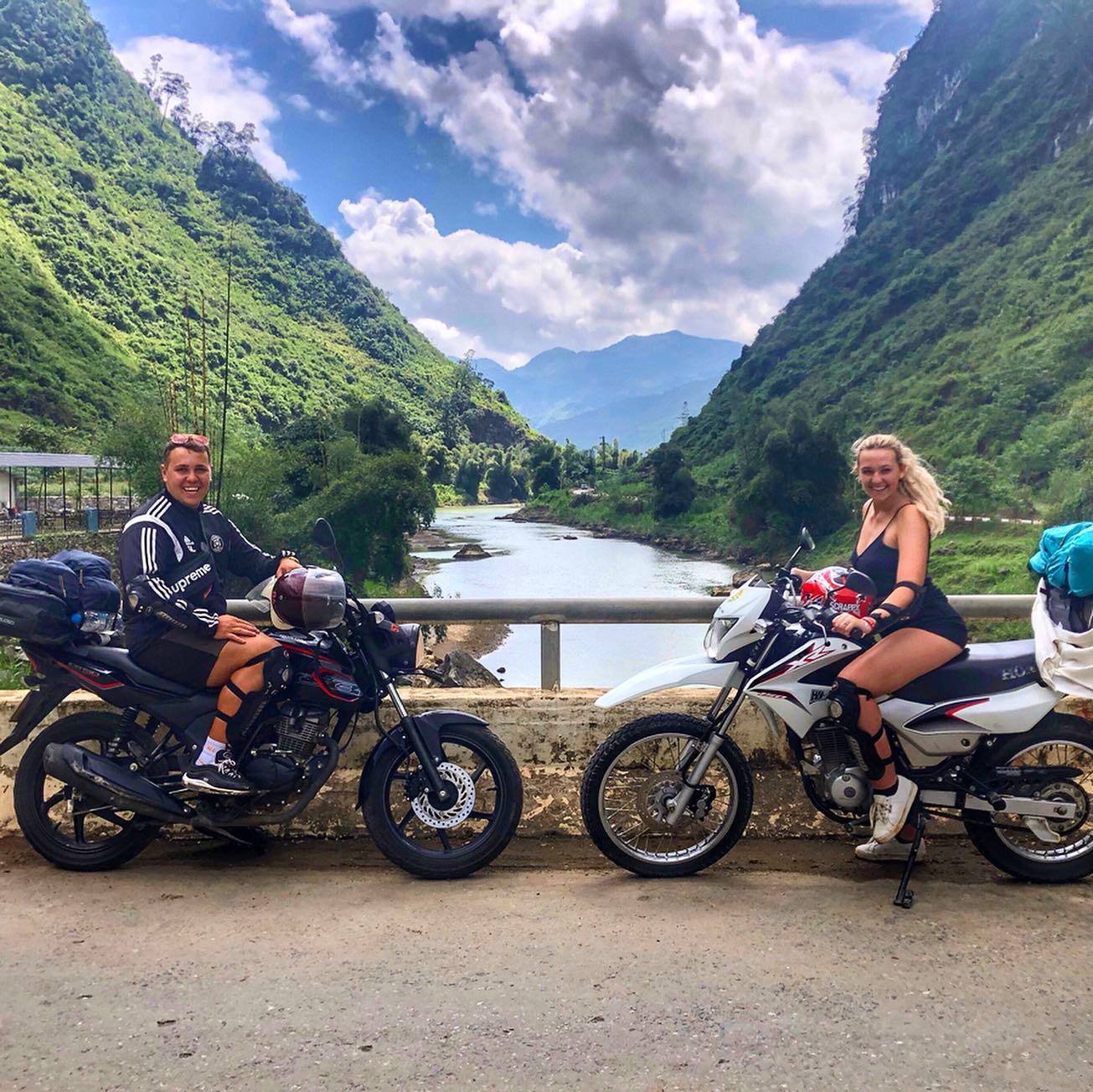
Motorbike is the most common option for travelers completing the Ha Giang Loop.
The usual approach comes from:
Meo Vac → Mau Due → Du Gia
or from Ha Giang through the western side of the Loop before continuing around the circuit.
Do not plan the journey by distance alone. Mountain roads, stops, roadworks and weather can significantly increase travel time.

With an Easy Rider
An Easy Rider is an experienced local motorbike driver who operates the bike while you travel as a passenger.
This is a practical option if:
- You do not have strong motorcycle experience
- You do not meet the legal requirements for self-riding
- You want to enjoy the landscape rather than concentrate on riding
- Poor road conditions make you uncomfortable
By Private Car or Jeep
Du Gia can also be incorporated into a private car or Jeep itinerary.
This is particularly useful for:
- Families
- Couples prioritizing comfort
- Older travelers
- Groups
- Travelers who do not want to ride a motorbike
HaGiangGo's current private-car and Jeep itineraries include Du Gia on its multi-day Loop routes.
What Are the Roads to Du Gia Like?
Roads around Du Gia can be rougher than the main paved sections around Dong Van and Meo Vac.
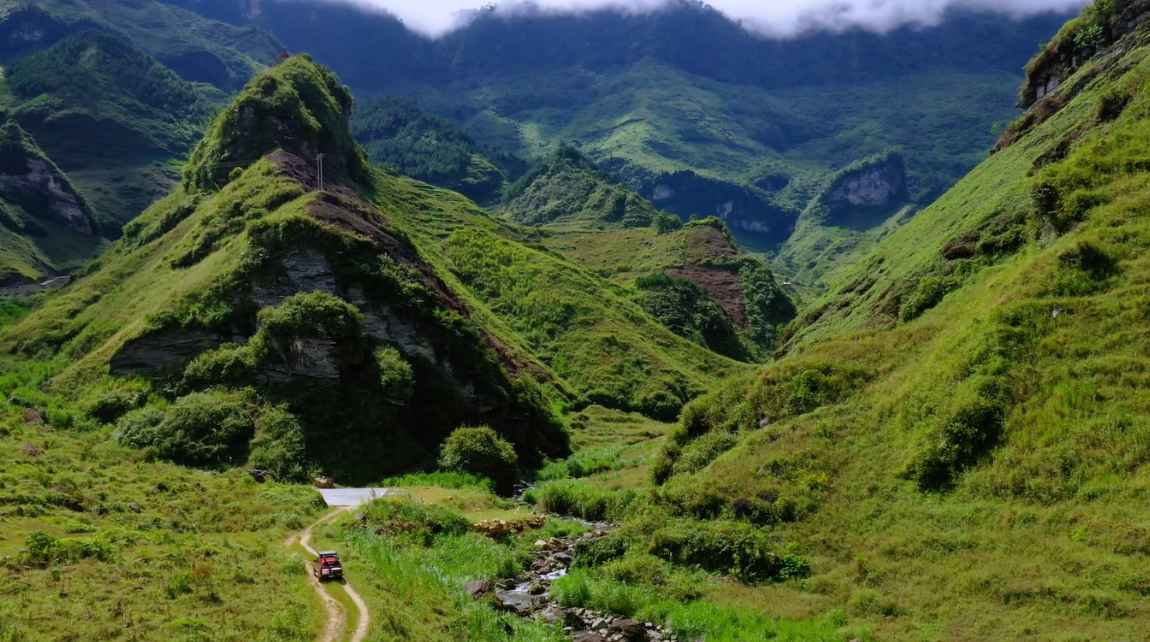
Conditions vary, but smaller connecting roads may include:
- Potholes
- Loose gravel
- Dust
- Mud after rain
- Construction
- Broken or uneven surfaces
This is particularly important because road conditions in northern Vietnam can change much faster than old blog posts or map reviews suggest.
Before leaving:
- Ask about current conditions
- Allow extra travel time
- Avoid riding after dark
- Slow down significantly after rain
- Do not treat arrival times on digital maps as guarantees
If you are not confident on steep or damaged mountain roads, an Easy Rider or private vehicle is generally a better choice than using the Du Gia section to learn.
If you self-ride, also verify the motorcycle licence, International Driving Permit and insurance conditions that apply to you before starting the Loop.
What to Pack for Ha Giang Loop: Essential Guide for a Comfortable Adventure
When Is the Best Time to Visit Du Gia?
Du Gia can be visited throughout much of the year, but the experience changes with the seasons.
October to November
A strong period for:
- Cooler weather
- Autumn scenery
- Comfortable outdoor exploration
- Multi-day Loop trips
It is also part of a popular travel season, so better-known homestays can be busier.
December to February
Expect:
- Cooler and sometimes cold mornings
- Drier periods
- Mist in the mountains
- Cold evenings in simple accommodation
Pack warm layers, especially if traveling by motorbike.
March to April
Spring offers milder temperatures and changing vegetation.
Current Du Gia tourism coverage specifically highlights red kapok blossoms in March along local roads.
May to August
The wetter months bring:
- Greener landscapes
- Stronger stream and waterfall flow
- Warmer temperatures
- Higher rain risk
- More variable road conditions
More water does not necessarily mean a better waterfall visit. Strong currents and slippery surfaces can make swimming less suitable.
Practical Tips for Visiting Du Gia Village
Carry Some Cash
Cards and international payment methods should not be assumed at small homestays, cafés or local shops.
Carry enough Vietnamese dong for:
- Meals
- Drinks
- Small purchases
- Accommodation extras
- Emergency expenses
Keep Your Luggage Small
Large suitcases are inconvenient on motorbikes and unnecessary for an overnight stay. If your main luggage is stored in Ha Giang City, take only what you need for the Loop.
Ask Before Photographing People
Du Gia is home to local communities, not a staged cultural attraction. Ask before taking portraits, particularly of children or residents inside their homes.
Check the Waterfall Before Going
Weather and local management conditions can change. Your homestay or local guide is usually more useful than an old travel post when deciding whether to visit or swim on that particular day.
Do Not Overplan
Du Gia works because it gives the Loop a slower section. You do not need to fill every hour with another attraction.
Is Du Gia Village Worth Visiting?
Yes. Du Gia is particularly worthwhile if you want the Ha Giang Loop to include more than mountain passes and roadside viewpoints.
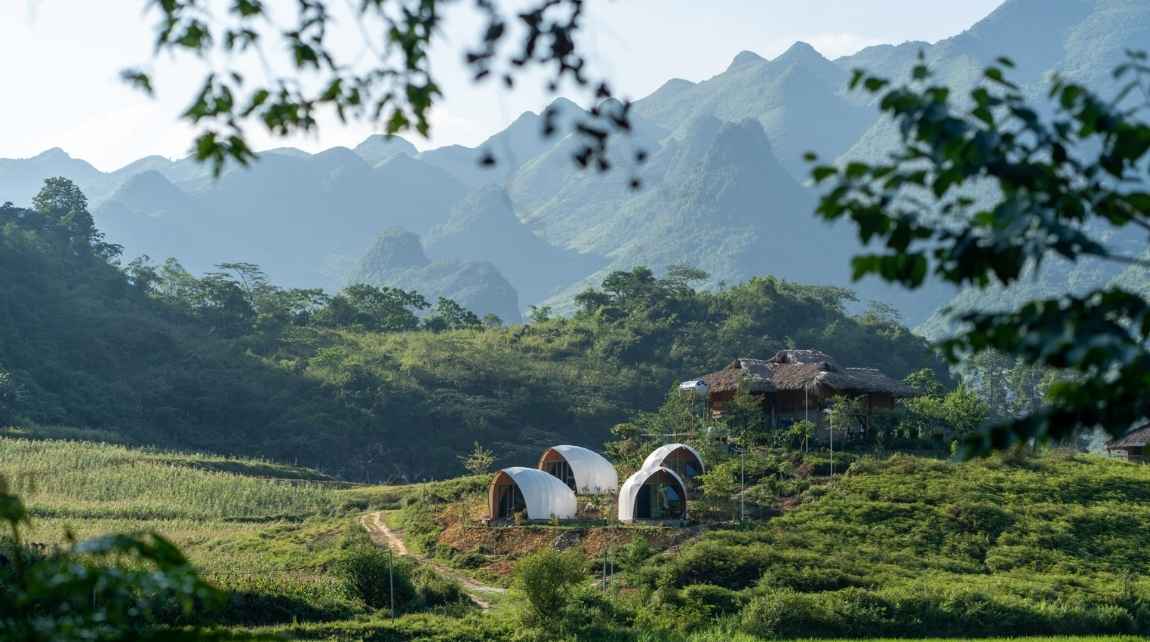
The village combines a waterfall, local accommodation, rural scenery, a weekly market and access to a wider protected landscape. More importantly, it provides a natural place to slow the pace after the dramatic Dong Van - Ma Pi Leng - Meo Vac section.
For most first-time visitors:
- Stay one night
- Choose a 4-day Loop if your schedule allows
- Visit the waterfall only when local conditions are suitable
- Allow time to walk around the village
- Check the weekly market schedule if you want to visit
- Choose an Easy Rider or private vehicle if rough mountain riding is outside your experience
Du Gia does not need to be the biggest attraction on your Ha Giang itinerary to become one of its most enjoyable stops.
Frequently Asked Questions About Du Gia Village
Where is Du Gia Village?
Du Gia is on the eastern part of the Ha Giang Loop, commonly visited after Meo Vac and Mau Due. Following Vietnam's 2025 administrative reorganization, it is now administratively part of Tuyen Quang Province, although “Du Gia, Ha Giang” remains the familiar tourism name.
Is Du Gia Village worth visiting?
Yes. Du Gia is worth visiting for travelers interested in homestays, waterfalls, rural scenery and a slower section of the Ha Giang Loop. One overnight stay is enough for most first-time visitors.
How many nights should I stay in Du Gia?
One night works well for a standard Ha Giang Loop. Two nights are better if you want a rest day, photography, walking or more time in the surrounding countryside.
Can you swim at Du Gia Waterfall?
Swimming has historically been popular at Du Gia Waterfall, but it should not be assumed safe every day. Water depth and current vary, and the site has recorded a fatal drowning in the past. Check current local guidance, warning signs and water conditions before entering.
When is Du Gia Market?
Du Gia has a weekly local market, but published sources currently disagree on the exact regular market day. If visiting the market is important to you, confirm the schedule with a local homestay or tour operator shortly before arrival.
Is Du Gia part of the Ha Giang Loop?
Yes. Du Gia is commonly included in 3-day and 4-day Ha Giang Loop itineraries, usually after Meo Vac and before the return toward Lung Tam, Quan Ba and Ha Giang City.
Is the road to Du Gia difficult?
Some roads around Du Gia can be rougher than the main paved sections of the Loop. Potholes, loose gravel, construction and wet surfaces are possible, so current local information is more useful than older trip reports.
Final Travel Advice
Du Gia works best when you do less, not more. Arrive with enough daylight, leave the motorbike parked for a while, walk around the valley, enjoy your homestay and check whether the waterfall is suitable the following morning.
If you have the choice between squeezing Du Gia into a rushed itinerary or giving it a proper overnight stop, choose the second option.
HaGiangGo's current 3-day and 4-day Ha Giang Loop tours both include Du Gia, with self-ride, Easy Rider and private vehicle options available depending on how you want to travel.
For a first trip, share your available days and riding experience with HaGiangGo before booking so the route can be matched to the pace you actually want - not simply the maximum number of stops you can fit into the Loop.