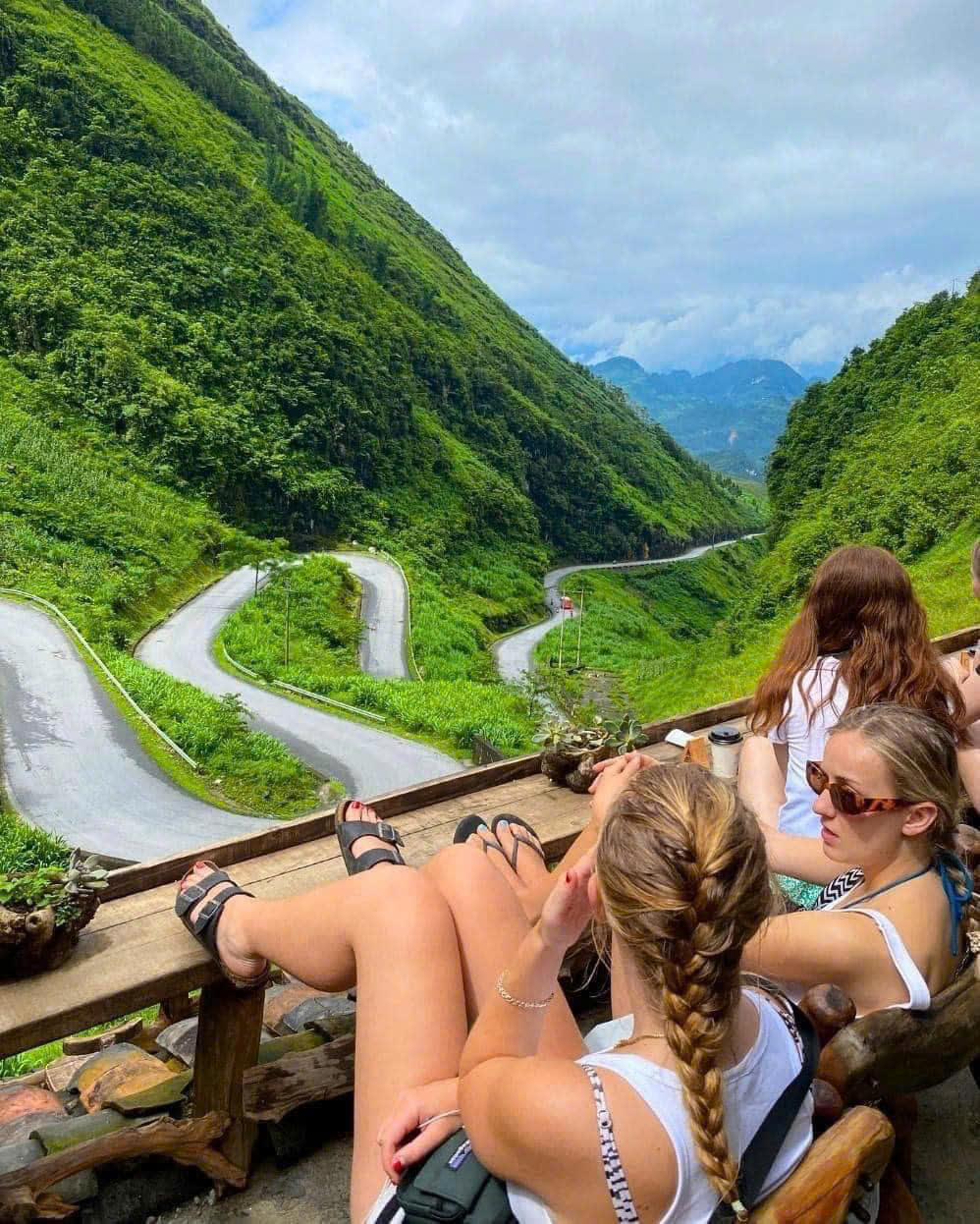

Quick answer: can you travel from Sapa to Ha Giang?
Yes, traveling from Sapa to Ha Giang is a common route for travelers planning a northern Vietnam itinerary. Many visitors explore Sapa first for trekking, rice terraces and Fansipan, then continue to Ha Giang for the famous Ha Giang Loop.
The journey usually takes around 6–8 hours by direct bus or limousine van, depending on road conditions, vehicle type and stops. There is no direct flight or train between Sapa and Ha Giang, so road transport is the only practical option.
Most travelers combine Sapa and Ha Giang into one 6–9 day northern Vietnam trip, following either:
- Hanoi → Sapa → Ha Giang → Hanoi
- Hanoi → Ha Giang → Sapa → Hanoi
Both routes work, but Sapa first is often more comfortable for first-time travelers because you start with trekking and end with the more adventurous Ha Giang Loop.
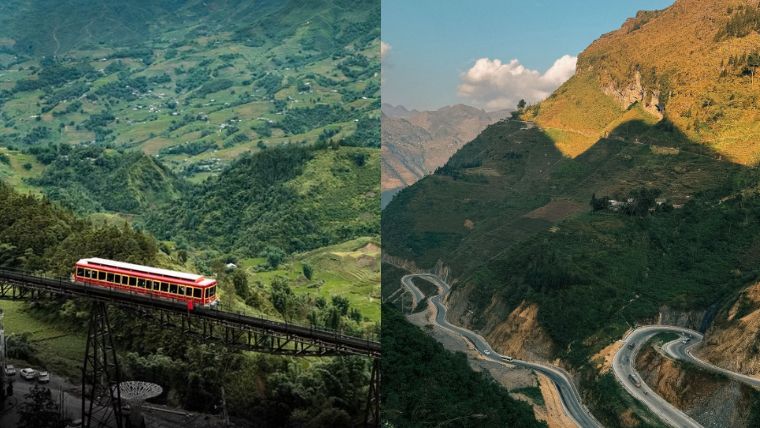
Sapa to Ha Giang distance and travel time
The Sapa to Ha Giang distance is roughly 300 km by road. However, because the route crosses mountainous terrain with no direct highway, the journey takes longer than the distance may suggest.
|
Transport option |
Travel time |
Best for |
|
Bus / limousine van |
6–8 hours |
Budget travelers, solo travelers |
|
Private car |
5.5–6.5 hours |
Families, couples, groups |
|
Motorbike |
8–10+ hours |
Experienced riders only |
Most transport routes run through Lao Cai City or mountain roads connecting Lao Cai, Bac Ha, Xin Man and Ha Giang. Weather, traffic, roadworks and rest stops can all affect the final arrival time.
Because the journey is long and tiring, it is best to treat this as a full travel day. Avoid planning a full Ha Giang Loop riding day immediately after arriving from Sapa.
Read more: Best Time to Do Ha Giang Loop: Complete 2026 Guide for Vietnam's Epic Motorbike Adventure
Bus from Sapa to Ha Giang
The bus from Sapa to Ha Giang is the easiest and most popular option for most travelers. Direct buses and limousine vans connect Sapa or Lao Cai with Ha Giang City, where most Ha Giang Loop tours begin.

Choose this option if you want:
- Affordable transport
- Simple booking
- No need to return to Hanoi
- A direct connection between two mountain regions
- A convenient drop-off in Ha Giang City
Typical prices range from around 270,000–500,000 VND, depending on operator, season and vehicle type. Standard buses are usually cheaper, while limousine vans or cabin-style sleeper buses cost more but offer better comfort.
If possible, book at least one day in advance, especially during peak travel months such as September–November and March–April. Sleeper buses and limousine vans can fill up quickly.
Private car from Sapa to Ha Giang
A private car is more expensive than a bus, but it gives you more flexibility and comfort. This option works well for families, couples, small groups or travelers carrying heavy luggage.
Choose a private car if you want:
- Door-to-door hotel transfer
- Flexible photo stops
- More privacy
- Fewer shared stops
- A smoother travel experience after trekking in Sapa
A private car can be faster than a bus because the route and stops are more flexible. However, it is still a long mountain journey, so you should plan enough rest time before starting the Ha Giang Loop.
Can you ride a motorbike from Sapa to Ha Giang?
Riding a motorbike from Sapa to Ha Giang is possible, but it is only suitable for experienced riders. The route is long, mountainous and physically demanding. Weather can change quickly, and some sections include sharp turns, narrow roads and limited visibility.
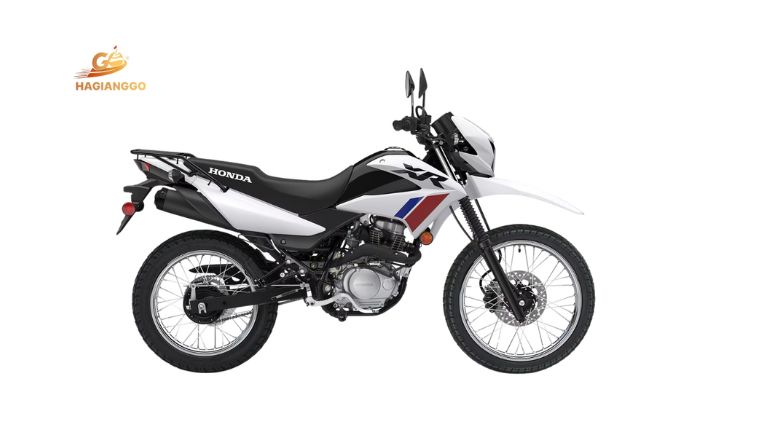
For beginners, this is not the best place to test your riding skills. A safer option is to take a bus, van or private car from Sapa to Ha Giang City, then start the Ha Giang Loop from there with a rental motorbike or Easy Rider.
If you still want to ride from Sapa to Ha Giang, consider splitting the trip into two days with an overnight stop around Bac Ha or Xin Man. Start early, check the bike carefully and avoid riding after dark.
HA GIANG MOTORBIKE FOR RENT - BEST TYPE OF BIKE FOR CONQUERING HA GIANG LOOP
Sapa and Ha Giang itinerary options
A realistic Sapa and Ha Giang itinerary needs at least 6 days. If you have more time, 8–9 days will give you a much more comfortable pace and more time to enjoy both destinations.
Fast 6-day itinerary
This is the minimum recommended option for travelers with limited time.
- Day 1: Travel from Hanoi to Sapa.
- Day 2: Spend the day trekking in Sapa, visiting places such as Muong Hoa Valley, Cat Cat Village or nearby ethnic villages.
- Day 3: Travel from Sapa to Ha Giang. Treat this as a full transfer and rest day.
- Day 4–6: Start the Ha Giang Loop with a 3-day, 2-night itinerary.
This plan works if your schedule is tight, but it can feel quite fast. The Sapa to Ha Giang transfer takes most of the day, so you should avoid planning too many activities on Day 3.
Balanced 8-day itinerary
This is the better option for most travelers because it gives you enough time to enjoy both Sapa and Ha Giang without rushing.
- Day 1: Travel from Hanoi to Sapa.
- Day 2: Go trekking in Sapa and explore the surrounding valleys.
- Day 3: Stay overnight in a village such as Ta Van or Lao Chai for a slower local experience.
- Day 4: Travel from Sapa to Ha Giang and rest before the loop.
- Day 5–8: Join a 4-day, 3-night Ha Giang Loop tour.
With this itinerary, you get proper time for trekking in Sapa and still have a full Ha Giang Loop experience.
Relaxed 9-day itinerary
This option is best for first-time travelers in northern Vietnam, travelers recovering from a long flight, or anyone who wants more flexibility.
- Day 1: Travel from Hanoi to Sapa.
- Day 2–3: Spend time trekking, visiting local villages and taking the Fansipan cable car if the weather is clear.
- Day 4: Take a slower rest day or stay in a village homestay.
- Day 5: Travel from Sapa to Ha Giang.
- Day 6–9: Complete the Ha Giang Loop with a 4-day, 3-night itinerary and extra buffer time.
This is the most comfortable option if you want to avoid rushing and keep some flexibility in case of rain, fog or travel delays.
Sapa vs Ha Giang: what is the difference?
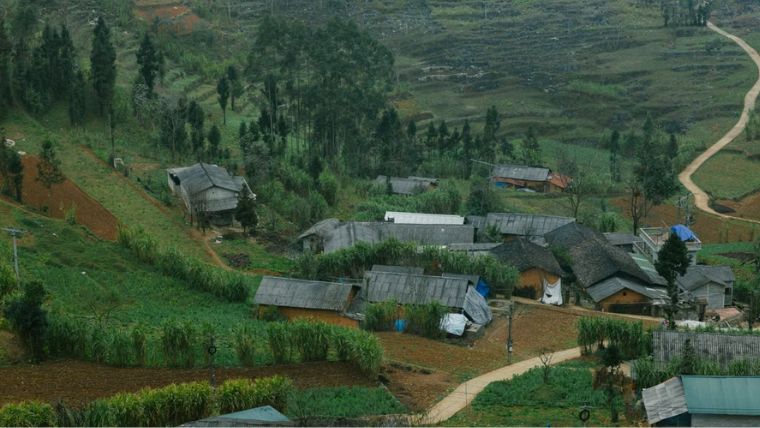
Sapa and Ha Giang are both famous mountain destinations, but they offer different travel experiences.
|
Category |
Sapa |
Ha Giang |
|
Main experience |
Trekking, villages, rice terraces |
Motorbike loop, passes, road scenery |
|
Infrastructure |
More developed |
More remote |
|
Best-known sights |
Fansipan, Muong Hoa Valley |
Ma Pi Leng Pass, Nho Que River |
|
Travel style |
Easier, more comfortable |
More adventurous |
|
Best for |
First-time travelers, trekking lovers |
Adventure travelers, photographers |
Choose Sapa if you want trekking, cable cars, rice terraces and more comfortable tourism infrastructure. Choose Ha Giang if you want raw mountain scenery, winding roads and a stronger sense of adventure.
Choose both if you have at least 6 days. They complement each other well and show two very different sides of northern Vietnam.
Starting the Ha Giang Loop from Sapa
You cannot start the Ha Giang Loop directly from Sapa. Most loop tours begin in Ha Giang City, so you need to travel from Sapa to Ha Giang first.
Once you arrive in Ha Giang City, you can choose:
- Self-riding motorbike rental
- Easy Rider tour
- Small group Ha Giang Loop tour
- Private tour
- Jeep or car-based tour
If you arrive tired after the transfer, consider resting one night before starting the loop. This is often safer and more enjoyable than rushing straight from a long bus ride into a full riding day.
Arriving in Ha Giang from Sapa? HaGiangGo can help
If you are traveling from Sapa to Ha Giang and planning to start the loop, HaGiangGo can help you organize the next step of your trip.
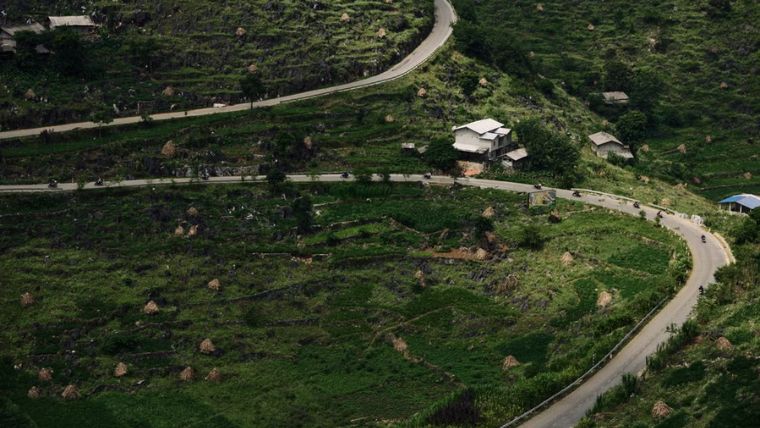
The local team can support with:
- Ha Giang Loop tour options
- Easy Rider tours
- Motorbike rental
- Luggage storage before the loop
- Advice on whether to start immediately or rest one night
- Private or flexible tour arrangements
This is especially useful if you arrive from Sapa in the afternoon or evening and are unsure how to plan your loop departure safely.
Practical tips before traveling from Sapa to Ha Giang
Book your transport at least one day in advance, especially in peak season. Try to avoid very late arrivals in Ha Giang, as it can make the next day more tiring.
Bring warm layers because mountain temperatures can drop quickly at night, even outside winter. Snacks, water and motion sickness medicine are also useful because the route includes many winding sections.
Before boarding, confirm your exact drop-off point in Ha Giang City. If you are joining a loop tour, ask whether your operator can help with pickup, luggage storage or pre-tour rest.
FAQs
1. Is there a direct bus from Sapa to Ha Giang?
Yes. Direct buses and limousine vans run between Sapa or Lao Cai and Ha Giang City. Travel time is usually around 6–8 hours.
2. How much does the Sapa to Ha Giang bus cost?
Prices commonly range from around 270,000–500,000 VND, depending on the operator, seat type, vehicle type and season.
3. When should you leave Sapa for Ha Giang?
Leave Sapa in the morning or early afternoon if possible. Arriving in Ha Giang before evening gives you time to check in, rest and prepare for the Ha Giang Loop.
4. Can I start the Ha Giang Loop from Sapa?
Not directly. Most Ha Giang Loop tours start from Ha Giang City, so you need to travel from Sapa to Ha Giang first.
5. Should I rest one night in Ha Giang before the loop?
If your bus arrives late or you feel tired after the journey, resting one night is recommended. The loop includes long riding days, high passes and mountain roads, so starting fresh is safer.
6. Can you store luggage in Ha Giang before the loop?
Yes. Many Ha Giang accommodations and tour operators offer luggage storage. Ask in advance if you need to store large bags, shower or rest before departure.
7. Is the road from Sapa to Ha Giang difficult to self-drive?
Yes. It is a long mountain route with sharp turns, changing weather and tiring riding conditions. Most travelers take a bus, van or private car for this leg, then begin the loop from Ha Giang City.
8. Should you visit Sapa or Ha Giang first?
Both routes work. For first-time travelers, Sapa first is often easier because you can start with trekking and comfort before moving into the more adventurous Ha Giang Loop.
9. Can HaGiangGo help after I arrive from Sapa?
Yes. HaGiangGo can help with loop planning, motorbike rental, Easy Rider tours, luggage storage and advice on the best departure timing after your Sapa transfer.
Conclusion
Traveling from Sapa to Ha Giang is one of the best ways to experience northern Vietnam’s mountain landscapes in one trip. Sapa offers trekking, rice terraces and village stays, while Ha Giang brings dramatic passes, limestone peaks, the Nho Que River and the unforgettable Ha Giang Loop.
For the smoothest trip, treat the Sapa-to-Ha Giang transfer as a full travel day, book your transport in advance and avoid starting the loop when you are tired. If your schedule allows, spend 6–9 days across both destinations so you can enjoy Sapa properly before heading into the more adventurous landscapes of Ha Giang.
With HaGiangGo, you can continue from Sapa into Ha Giang with local support, practical route advice and flexible loop options designed to make your northern Vietnam journey safer, smoother and more memorable.